The Harbin Jewish New Synagogue, located in Harbin, China, is a significant historical and cultural site that highlights the once-thriving Jewish community in the city.
Harbin was home to one of the largest Jewish populations in East Asia during the early 20th century, and the synagogue stands as a reminder of this unique chapter in the city’s history.
Read more:
Historical background

Jewish migration to Harbin began in the late 19th and early 20th centuries, primarily due to the construction of the Chinese Eastern Railway and political unrest in Russia, including the pogroms and the Russian Revolution of 1917.
At its peak, the Jewish community in Harbin numbered around 20,000 people, making it one of the largest in Asia.

The New Synagogue was built in 1921 to accommodate the growing Jewish population in Harbin. It was the second synagogue in the city, following the construction of the Old Synagogue in 1909.
The New Synagogue served as the main place of worship for the Jewish community and was the largest synagogue in Northeast China.
Architecture of Synagogue

The synagogue is an impressive example of Eastern European synagogue architecture, with a blend of Baroque and Russian Orthodox architectural styles. Its design reflects the cultural influences that the Jewish community brought with them from Russia and Europe.
The building features large arched windows, a domed roof, and intricate detailing on the facade. The architecture is distinctively European, standing out in Harbin’s landscape, yet it harmonizes with the city’s eclectic mix of Russian and Chinese influences.

Inside, the synagogue originally had space for over 800 worshippers. The interior was adorned with ornate woodwork, chandeliers, and a central bimah (a raised platform) from which the Torah was read. The women’s section was located on the upper level, as is traditional in many synagogues.
Role in the Community

The Harbin Jewish New Synagogue was the heart of Jewish life in the city. It not only served as a religious center but also as a social and cultural hub. The synagogue hosted religious services, weddings, Bar Mitzvahs, and community gatherings.
In its heyday, the Jewish community in Harbin was highly organized, with schools, hospitals, newspapers, and various businesses thriving in the area.
Decline and restoration

Following World War II and the establishment of the People’s Republic of China in 1949, most of the Jewish population in Harbin emigrated to other countries, particularly Israel, the United States, and Australia.
By the 1950s, the Jewish community in Harbin had dwindled significantly, and the New Synagogue ceased to function as a place of worship.

In the 2000s, recognizing the historical importance of the synagogue, the Chinese government undertook efforts to restore the building. In 2004, after extensive renovations, the synagogue was converted into the Harbin Museum of Jewish History and Culture, a center dedicated to preserving the memory of the Jewish community in Harbin.
Harbin Museum of Jewish History and Culture

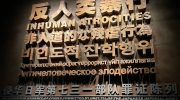
The synagogue now houses exhibits that showcase the history of the Jewish community in Harbin. The museum displays photographs, documents, personal items, and artifacts that detail the lives of Jewish families in the city.
It also covers the Jewish contributions to Harbin’s cultural, economic, and social life, emphasizing the harmonious relationship between the Jewish population and the Chinese.

The museum highlights several prominent Jewish individuals who lived in Harbin, including Ya’akov Liberman, a businessman and community leader, and Dr. Abraham Kaufman, a noted doctor and philanthropist who played a major role in the community’s welfare.

The museum serves as an important reminder of the Jewish diaspora in China, a lesser-known yet significant part of Jewish history. It also symbolizes the cultural exchange between Jews and Chinese during a unique period in Harbin’s development.
Visiting the Synagogue in Harbin

- Location:
The Harbin Jewish New Synagogue is located in the Daoli District of Harbin, which was historically the area where many Russian and Jewish immigrants settled. It is near Zhongyang Street (Central Avenue), a popular tourist area, making it easily accessible for visitors.
Chinese name: 犹太新会堂旧址
- Opening Hours:
Normally, the synagogue and museum are open to the public throughout the week, from 9 am till 17 pm, although it’s recommended to check the hours of operation, especially during holidays.
- Tours:
Visitors can take guided tours to learn more about the exhibits and the history of the Jewish community in Harbin. Many of the descriptions in the museum are available in both Chinese and English, making it accessible to international tourists.
Also visit: