China, with its rich 5,000-year history, is a treasure trove of ancient landmarks, imperial palaces, sacred temples, and magnificent architectural feats. Whether you’re an avid history buff or simply looking to immerse yourself in the country’s cultural heritage, China offers a wide variety of historical sites that tell the story of its fascinating past.
Here’s a guide to some of China’s most iconic historical landmarks that should not be missed.
- The Great Wall of China (Multiple Locations)
- The Forbidden City (Beijing)
- Terracotta Army (Xi’an, Shaanxi Province)
- The Summer Palace (Beijing)
- Mogao Caves (Dunhuang, Gansu Province)
- Potala Palace (Lhasa, Tibet)
- The Ancient City of Pingyao (Shanxi Province)
- Lijiang Old Town (Yunnan Province)
- Temple of Heaven (Beijing)
- The Ancient City of Luoyang (Henan Province)
The Great Wall of China (Multiple Locations)
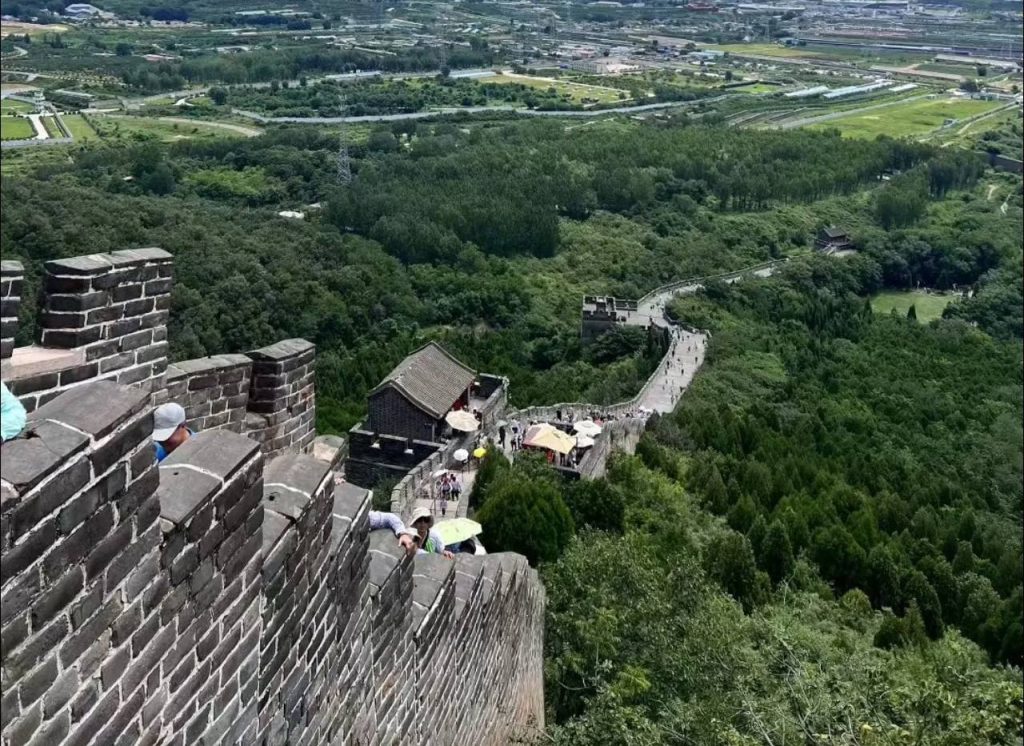
Location: Beijing, Hebei, Shanxi, and others
One of the most famous landmarks in the world, the Great Wall of China is an ancient defense system stretching over 13,000 miles. Built over centuries by various dynasties, it was designed to protect China from invasions and raids. The wall is a breathtaking feat of engineering and a symbol of China’s long history.
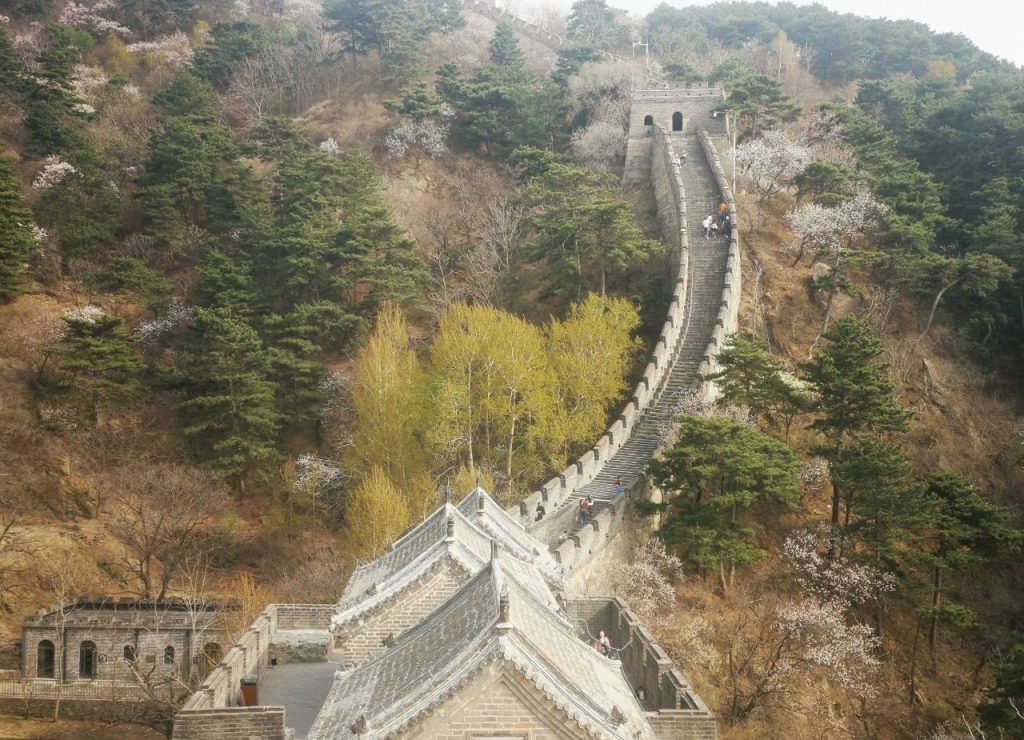
Key sections to visit include Badaling (close to Beijing), Mutianyu (known for its scenic beauty), and Jiankou (more rugged and adventurous). Walking along the Wall provides a fascinating glimpse into ancient Chinese military history and offers spectacular views of the surrounding landscapes.
Read more:
The Forbidden City (Beijing)

Location: Dongcheng District, Beijing
The Forbidden City, also known as the Imperial Palace, is a vast complex of palaces, gardens, and halls that served as the home of Chinese emperors for nearly 500 years. Located in the heart of Beijing, this UNESCO World Heritage site is a must-visit for those interested in ancient Chinese imperial history and architecture.
The Forbidden City is a masterpiece of Chinese palatial architecture, with nearly 1,000 buildings and beautiful courtyards that reflect the power and opulence of the imperial dynasty. It now houses the Palace Museum, where visitors can explore rare artifacts, paintings, and relics from China’s imperial past.
Terracotta Army (Xi’an, Shaanxi Province)
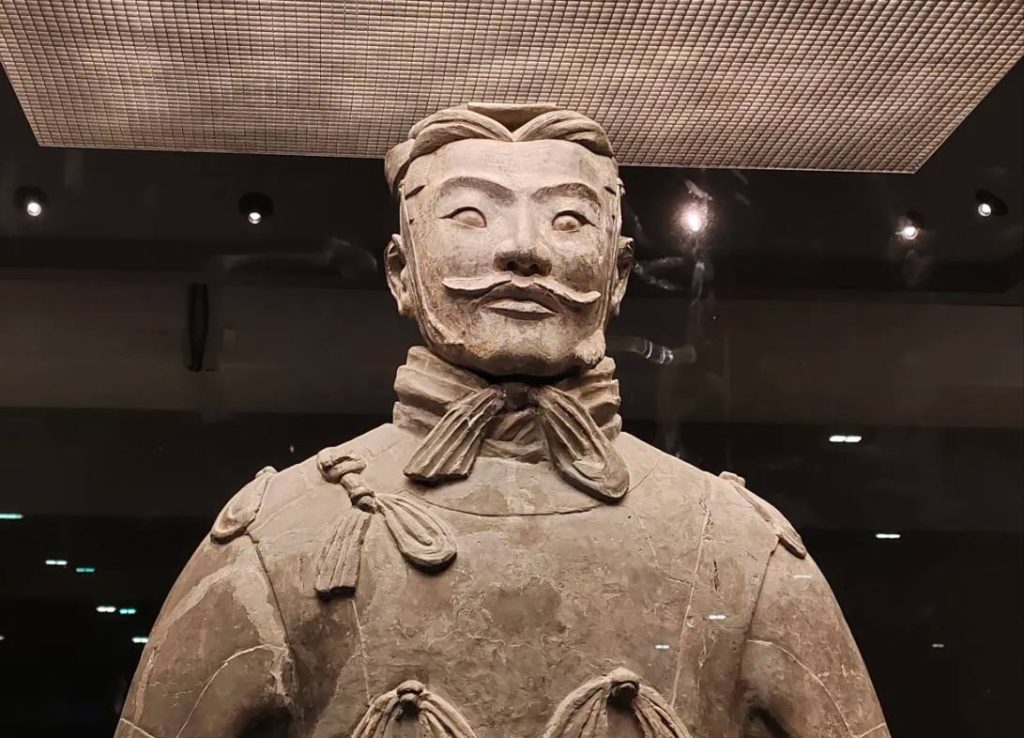
Location: Lintong District, Xi’an, Shaanxi Province
The Terracotta Army is one of the most remarkable archaeological discoveries in history. Discovered in 1974, the thousands of life-sized clay soldiers, horses, and chariots were buried with the first Emperor of China, Qin Shi Huang, to protect him in the afterlife. The figures vary in size, clothing, and facial features, reflecting the diverse population of China at the time.
Visitors to the site can see these extraordinary sculptures up close in large pits that are part of a grand mausoleum complex. The Terracotta Army provides insight into the early Qin Dynasty and the lengths to which emperors went to ensure their afterlife.
The Summer Palace (Beijing)
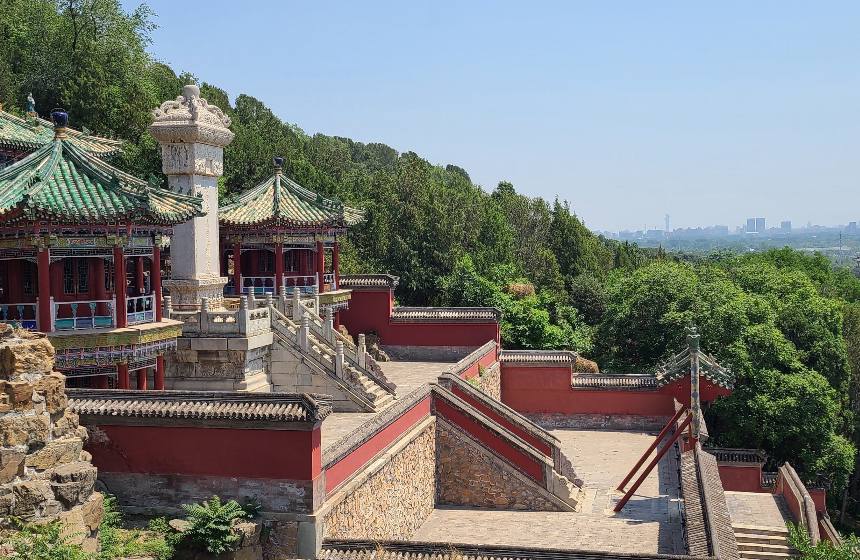
Location: Haidian District, Beijing
The Summer Palace is an imperial garden and retreat that dates back to the 12th century and was expanded during the Qing Dynasty. This UNESCO World Heritage site is a beautiful combination of natural scenery and traditional Chinese architecture.
Set on the shores of Kunming Lake, it is filled with pavilions, temples, and bridges, including the iconic Long Corridor, which is adorned with thousands of hand-painted images. The Summer Palace reflects China’s imperial wealth and leisure, and offers a peaceful escape from the hustle and bustle of the city.
Mogao Caves (Dunhuang, Gansu Province)
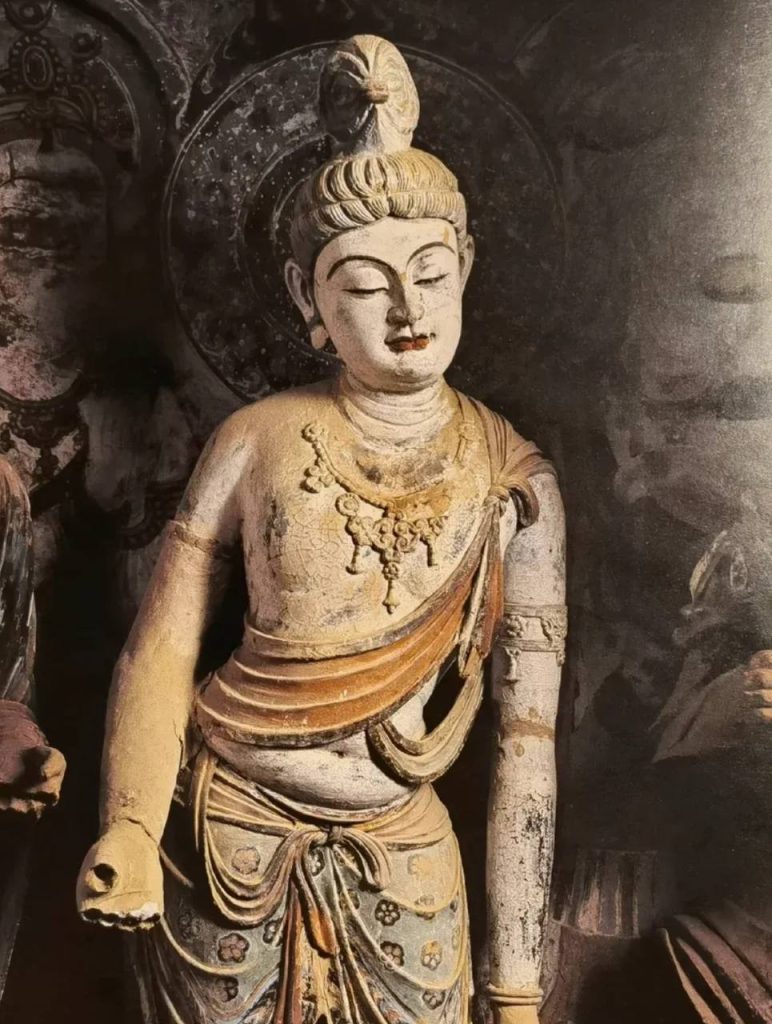
Location: Dunhuang, Gansu Province
The Mogao Caves, also known as the Dunhuang Caves, are a series of Buddhist cave temples located in the Gobi Desert. The site dates back to the 4th century and contains over 700 caves adorned with murals, sculptures, and carvings that illustrate the evolution of Buddhist art and culture over a millennium.
These caves are considered one of the most important repositories of Buddhist art in the world, showcasing not only religious themes but also insights into ancient life along the Silk Road. The cave art, frescoes, and statues are a testament to the rich cultural exchanges that occurred through trade and religion.
Potala Palace (Lhasa, Tibet)
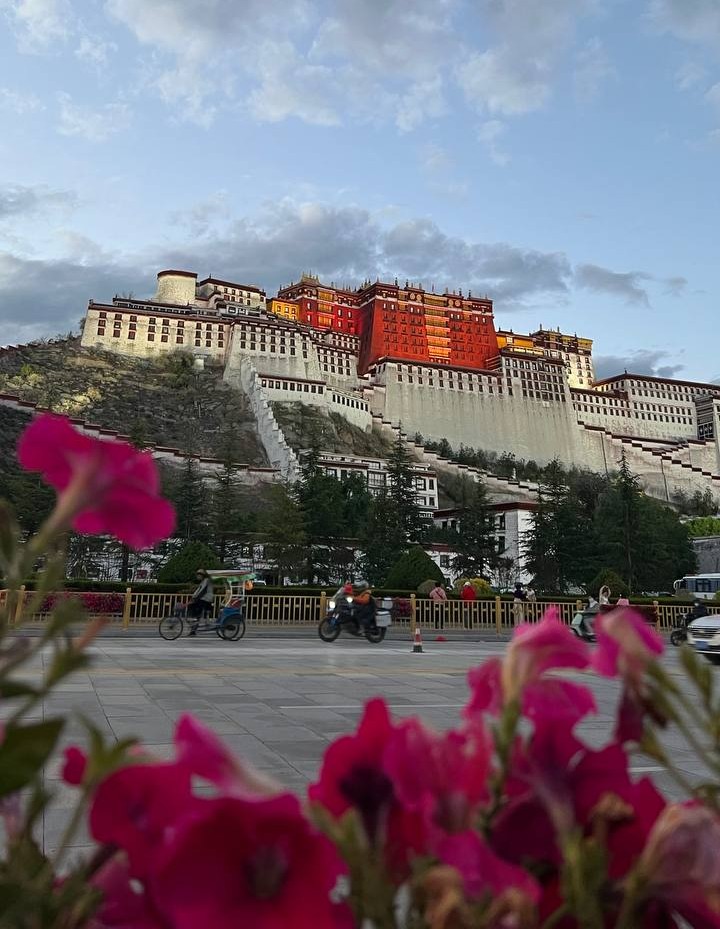
Location: Lhasa, Tibet Autonomous Region
The Potala Palace is an iconic symbol of Tibet and an architectural marvel. Situated on a hilltop in Lhasa, it was the winter residence of the Dalai Lama and the center of Tibetan political and religious life. The palace is known for its grand scale, with 1,000 rooms, stunning murals, and golden tombs. It was originally constructed in the 7th century and later expanded during the 17th century.
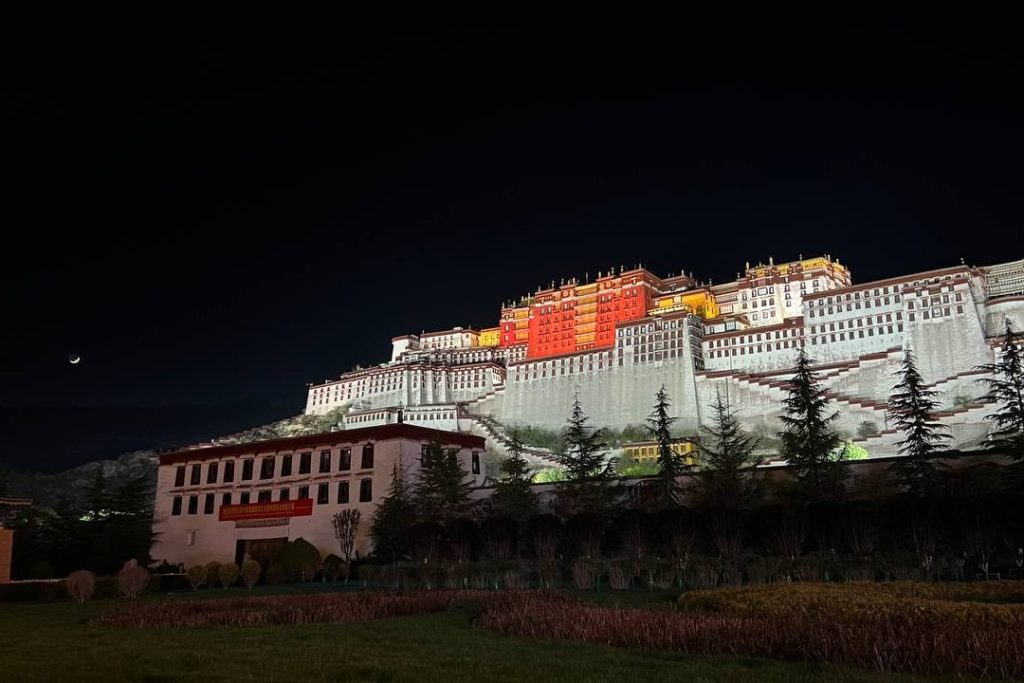
The Potala Palace offers visitors a glimpse into Tibetan culture, religion, and the turbulent history of the region. It is also a UNESCO World Heritage site, attracting pilgrims and tourists from around the world.
The Ancient City of Pingyao (Shanxi Province)
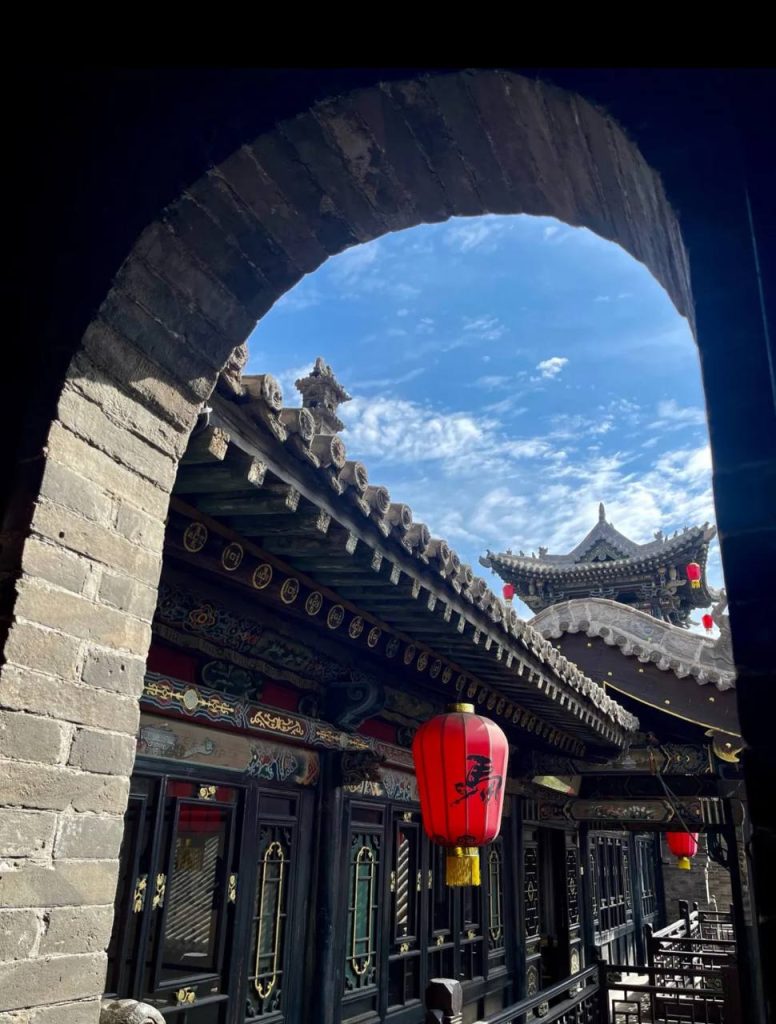
Location: Pingyao, Shanxi Province
The Ancient City of Pingyao is a well-preserved example of a traditional Chinese walled city. Dating back to the 14th century during the Ming Dynasty, Pingyao is famous for its old streets, traditional courtyard homes, temples, and watchtowers.
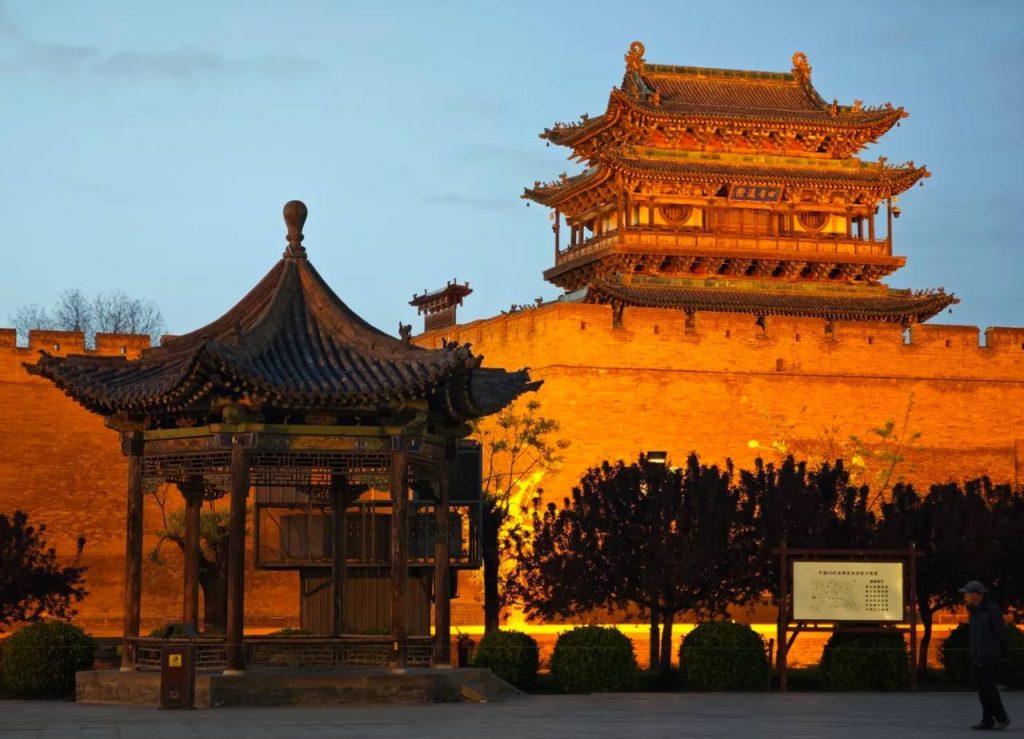
The city offers a unique opportunity to step back in time and explore China’s historical urban life. Its status as a UNESCO World Heritage site reflects its historical significance and the authenticity of its preservation. Walking through Pingyao feels like traveling back to ancient China, with its narrow alleyways and ancient architecture.
Lijiang Old Town (Yunnan Province)
Location: Lijiang, Yunnan Province
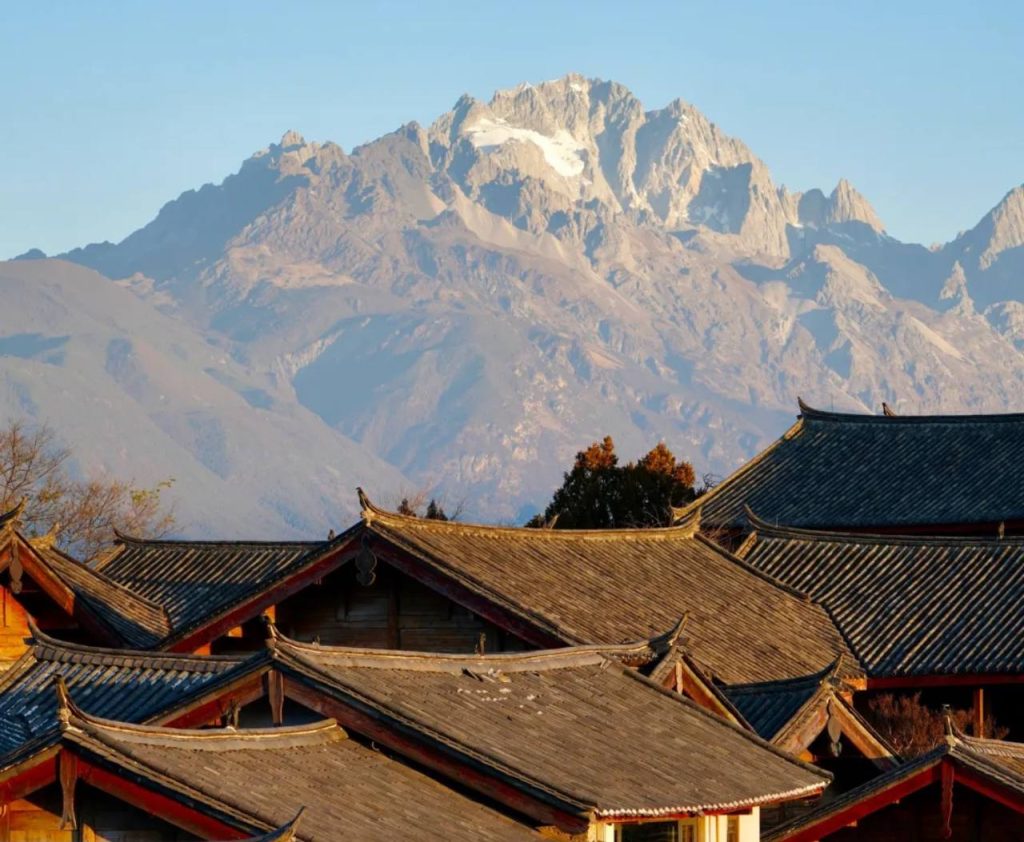
Lijiang Old Town is a UNESCO World Heritage site that preserves the unique culture of the Naxi people, one of China’s ethnic minorities. The town is famous for its ancient wooden buildings, winding canals, and cobblestone streets. It dates back to the Song Dynasty and served as a trading hub along the ancient Tea Horse Road.
Visitors can stroll through the town’s picturesque streets, visit ancient temples, and admire the stunning views of the surrounding mountains. Lijiang Old Town also provides insight into the history and traditions of the Naxi people, with their unique art, music, and rituals.
Temple of Heaven (Beijing)
Location: Dongcheng District, Beijing
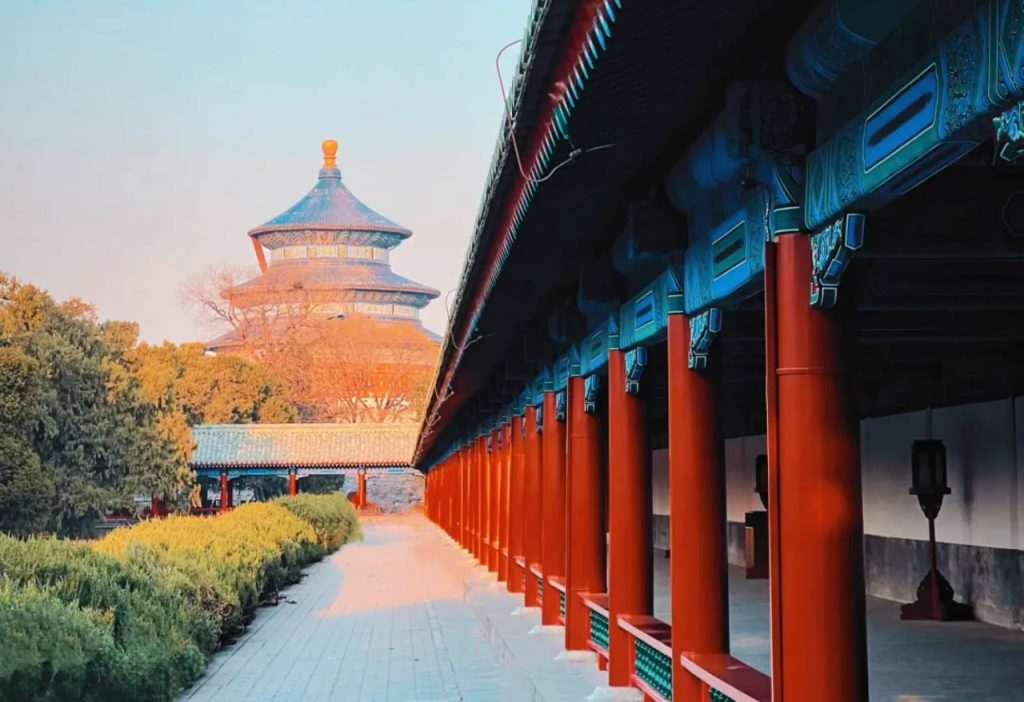
The Temple of Heaven is one of China’s most important religious sites, originally built during the Ming Dynasty. It was here that emperors would pray for good harvests and make offerings to Heaven. The temple complex is known for its architectural elegance and symbolic design, with the Hall of Prayer for Good Harvests being the most iconic structure.
The surrounding park is a peaceful place where locals practice tai chi, fly kites, and enjoy the natural beauty. The Temple of Heaven is a stunning example of Chinese architecture and spiritual life.
The Ancient City of Luoyang (Henan Province)
Location: Luoyang, Henan Province
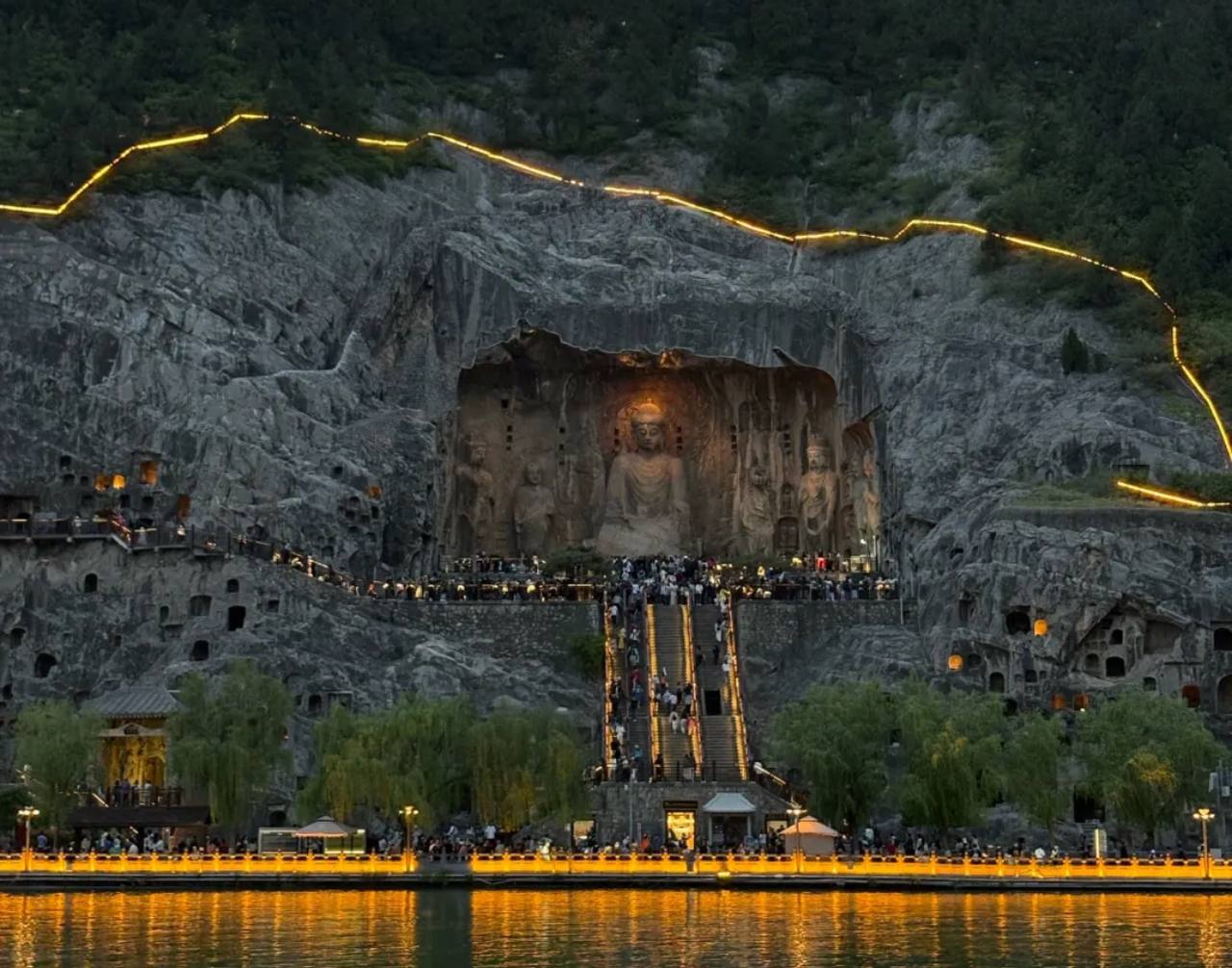
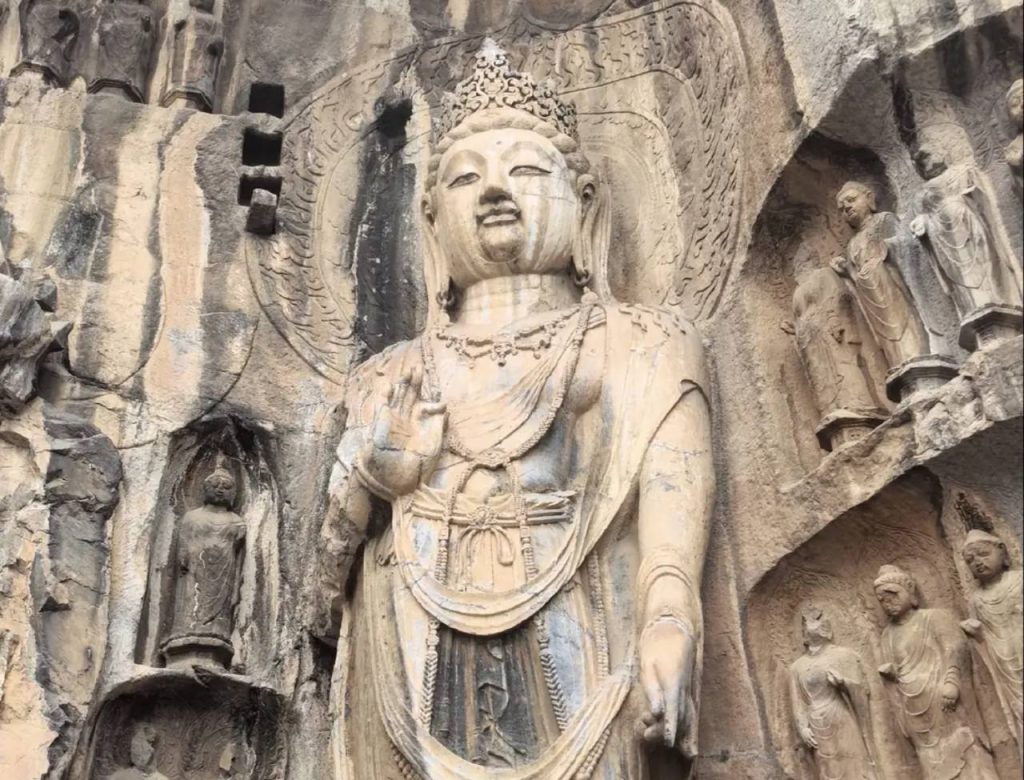
Luoyang, one of China’s ancient capitals, is rich in historical landmarks and cultural heritage. The city was the capital of various dynasties, including the Eastern Zhou, Eastern Han, and Tang.
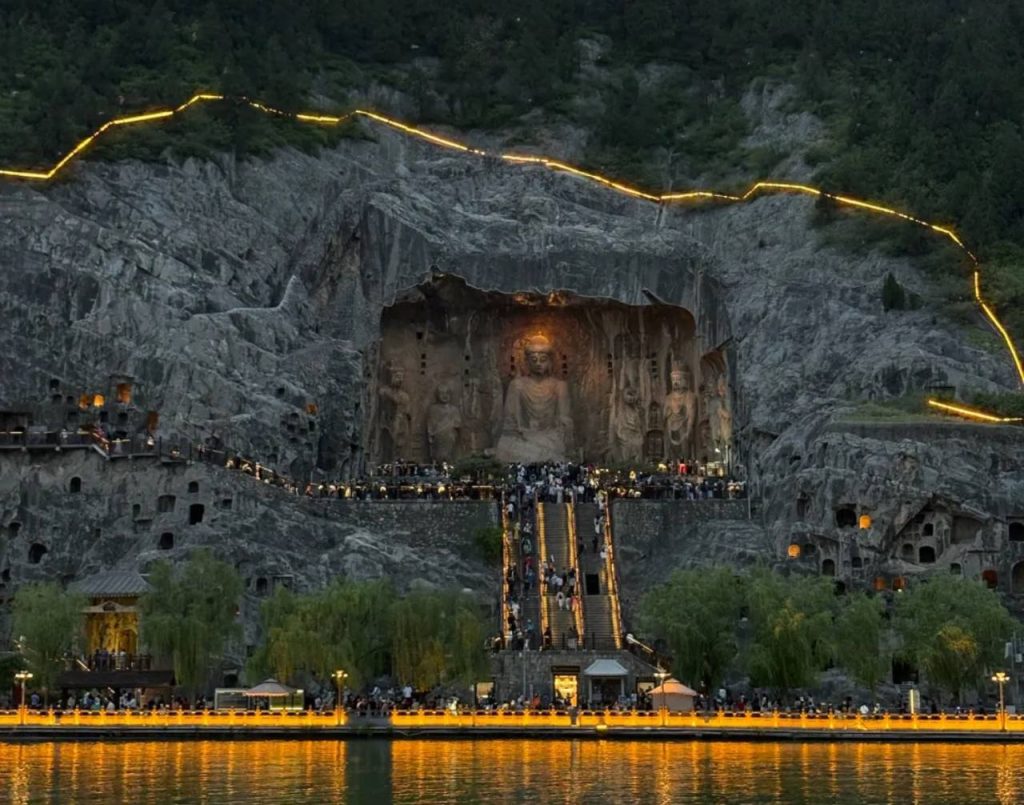
Key historical sites in Luoyang include the Longmen Grottoes (with thousands of Buddhist statues), the White Horse Temple (China’s first Buddhist temple), and the Luoyang Museum, which houses relics from ancient Chinese dynasties. The city’s history as a cultural and political center of China makes it an important destination for anyone interested in Chinese history.
China is a land steeped in history, offering visitors the chance to explore some of the world’s most famous and awe-inspiring historical sites. From the towering Great Wall to the intricate artwork of the Mogao Caves, these landmarks provide a unique window into the country’s past.
Whether you’re exploring ancient cities, visiting grand palaces, or learning about China’s spiritual heritage, these historical sites promise to deepen your understanding of the country’s cultural legacy.
More historical places in China: