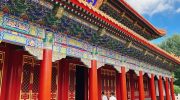
The Unit 731 Museum in Harbin, officially known as the Unit 731 Museum of Evidence of War Crimes by Japanese Army (731部队罪证陈列馆), is a sobering historical site that memorializes one of the most tragic and horrific aspects of World War II: the Japanese Army’s experimentation on humans during their occupation of China.
It stands as a grim reminder of the atrocities committed by Unit 731, a secret biological and chemical warfare research unit of the Imperial Japanese Army during the Second Sino-Japanese War (1937–1945) and World War II.
What to see in Harbin:
- Jewish history in Harbin: New Synagogue in Zhongyang street
- Harbin City Walk – explore the city with professionals
- Cultural mix in Zhongyang dajie or Central avenue in Harbin
History of Unit 731

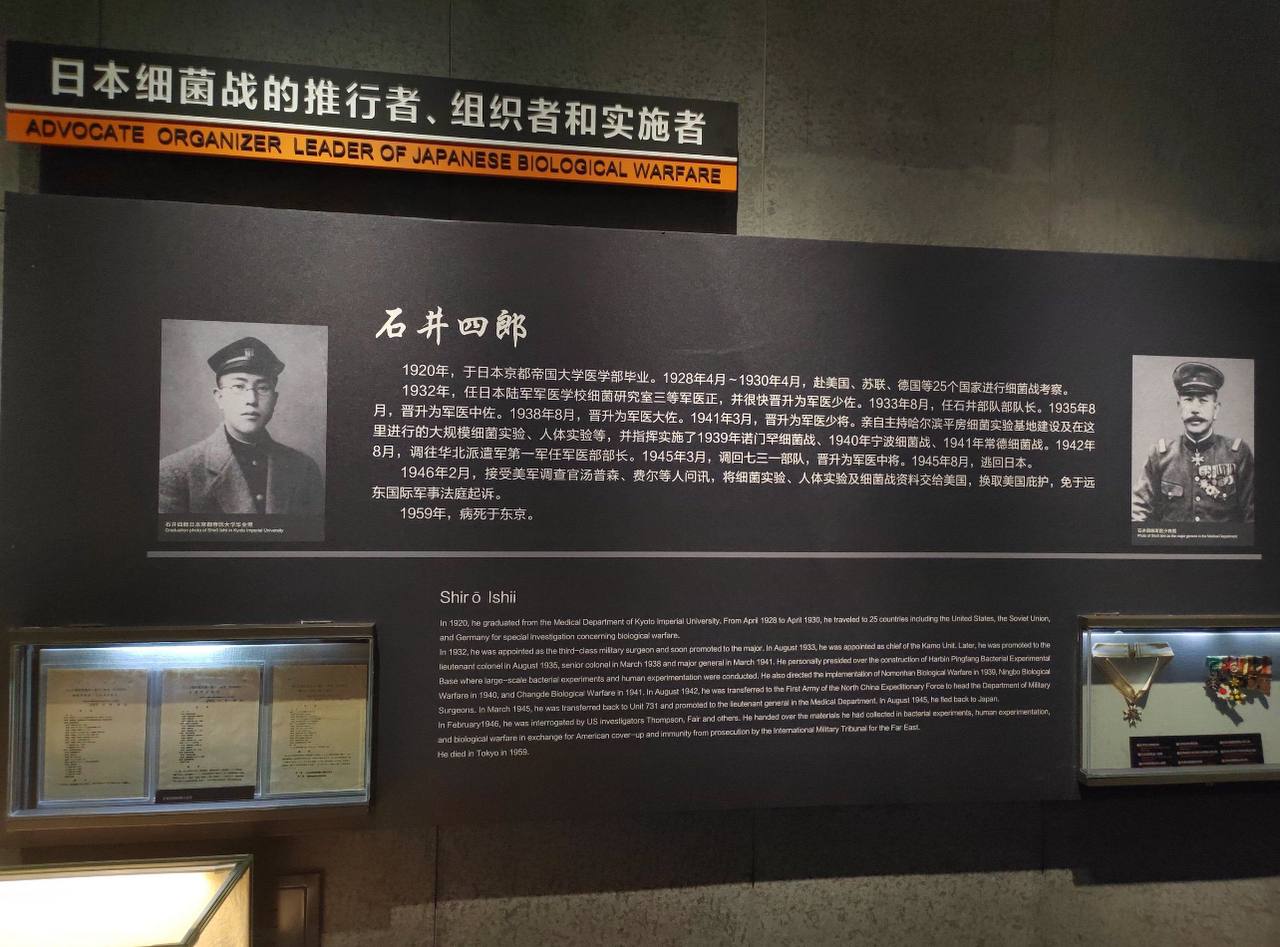
Unit 731 was established in 1936 by the Japanese military under the leadership of General Shiro Ishii. Its purpose was to develop biological weapons and conduct gruesome human experimentation in the name of military science.
The unit was based in Pingfang District, about 24 kilometers southeast of Harbin. The area was chosen for its remoteness and its strategic location in Japanese-occupied Manchuria.
Unit 731 is responsible for some of the worst war crimes in history. It performed inhumane medical experiments on Chinese civilians, prisoners of war, Koreans, and even Russians. Victims were subjected to torture, disease injection, vivisection, and other forms of biological experimentation.
- Estimates of the number of people who died due to Unit 731’s experiments range from 3,000 to 10,000.
The Museum 731
The Unit 731 Museum was established to preserve the memory of these atrocities and to serve as a site for education and reflection on the impact of war and cruelty.
Location: The museum is located at the original site of Unit 731 in Pingfang District, Harbin. The grounds once housed the extensive military complex where the experiments were conducted.
Opened: The museum officially opened to the public in 1985, but it has since been expanded and renovated to provide a more comprehensive and detailed account of the history and crimes of Unit 731. A major renovation and expansion project was completed in 2015, which significantly modernized the museum’s exhibits.
Recommended:
- 1-Day in Harbin: short itinerary for stayover
- Top places to visit in Harbin: snow capital
- Private tour in Harbin
Exhibits and Layout at the Unit 731
The museum’s exhibits are structured to provide a thorough historical account of the activities carried out by Unit 731, the victims of the experiments, and the aftermath of these crimes.
Main building

The main exhibition hall showcases historical documents, photographs, and artifacts related to Unit 731. Many of these items were recovered from the site after the war.
There are detailed exhibits that explain the formation of Unit 731, the role of General Shiro Ishii, and the broader context of Japan’s biological warfare program.
The hall also presents chilling descriptions and images of the horrific experiments that were conducted, such as frostbite testing, where prisoners were exposed to extreme cold, and the injection of diseases like the bubonic plague and cholera.
Prison cells and laboratories

Some of the original prison cells and laboratories where experiments took place have been preserved. Visitors can see the horrific conditions in which prisoners were kept and the apparatus used for experimentation.
Medical Experimentation Area

A significant portion of the museum is dedicated to documenting the types of biological and chemical experiments that were carried out. Displays show how prisoners were infected with deadly pathogens and used as human guinea pigs to test the effects of biological weapons.
Outdoor Memorial
In addition to the indoor exhibits, the museum has an outdoor memorial area dedicated to the victims of Unit 731. This solemn space includes a wall with the names of known victims and sculptures symbolizing the suffering endured by those who perished.
Evidence of War Crimes

One of the most important roles of the museum is to serve as an archive of evidence regarding the crimes committed by Unit 731. The museum presents declassified documents from the Japanese military, testimonies from survivors, and information from post-war trials that sought to bring some of the perpetrators to justice.
However, many key figures in Unit 731 were granted immunity by the United States after the war in exchange for their biological warfare research, which is also discussed in the exhibits.
Cultural and Historical Importance
The Unit 731 Museum is a key location for understanding the depth of suffering that occurred during the Japanese occupation of China. It is also a site of historical accountability, reminding future generations of the consequences of unchecked military power and war crimes.

The museum plays an essential role in keeping the memory of the victims alive. Visitors are encouraged to reflect on the atrocities and the importance of peace, justice, and human rights.
For Chinese citizens, the museum is a solemn reminder of the suffering inflicted upon their ancestors, and it helps foster a sense of national remembrance and education about the brutality of the Japanese occupation.

Visiting information
Location
The Unit 731 Museum is located at Pingfang District, Harbin, approximately 24 kilometers from the city center. It is easily accessible by public transportation, and there are signs and guides in both Chinese and English.
Opening Hours
The museum is open to the public throughout the week, typically from 9:00 AM to 4:00 PM, though the hours may vary on public holidays. It is recommended to check for updated timings before visiting.
Admission
Entry to the museum is usually free, but donations to the museum are encouraged to help maintain the facility and fund further research and preservation efforts.
Visitor experience
Emotional Impact: Visiting the museum can be an intense and emotional experience due to the graphic nature of the content. Visitors are advised to be prepared for disturbing images and detailed accounts of war crimes.
Guided Tours: There are often guided tours available in both Chinese and English to help visitors better understand the context and significance of the exhibits.