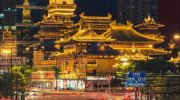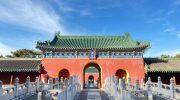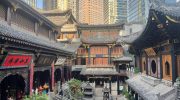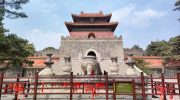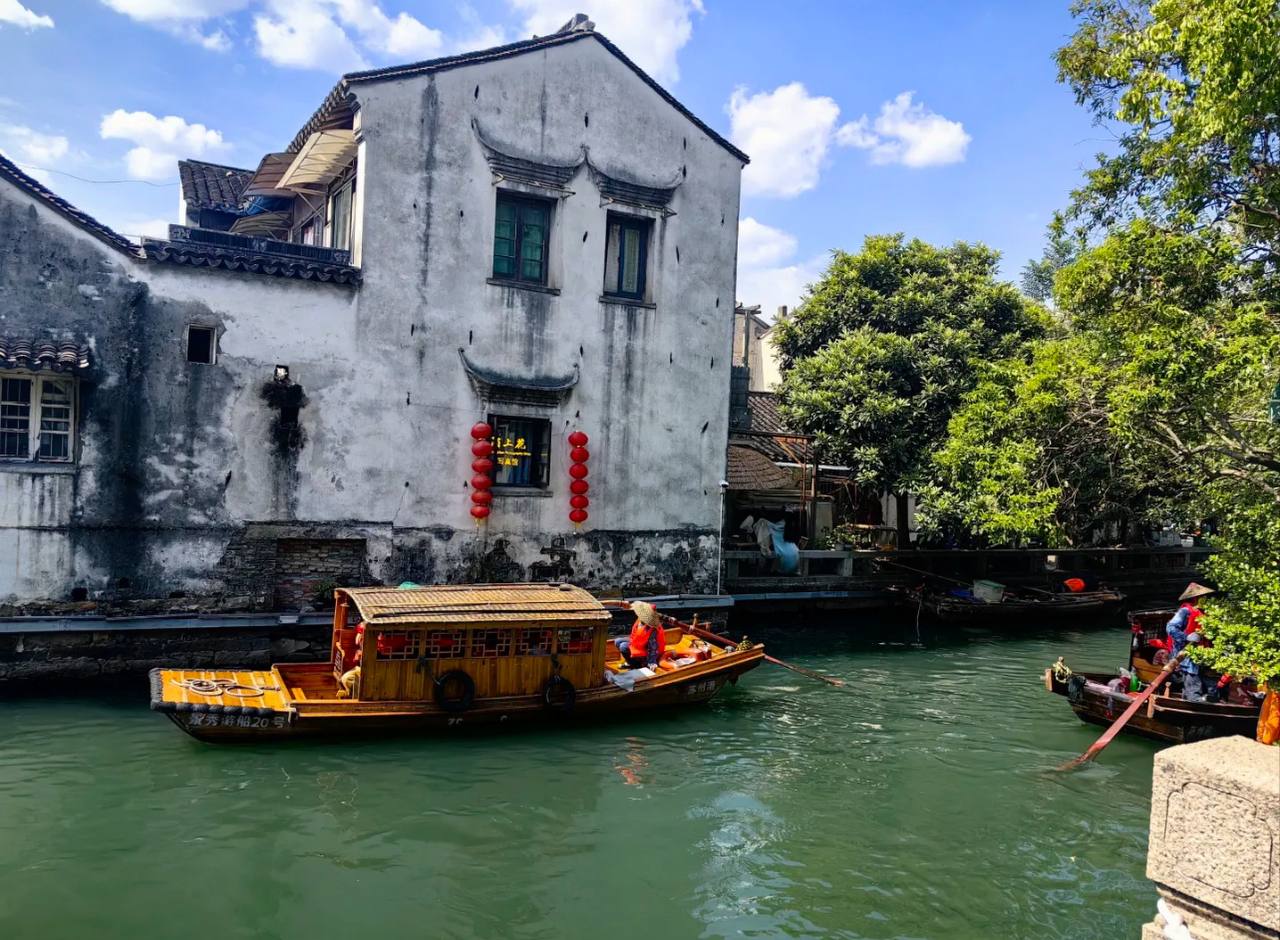
China is a vast country with a rich cultural heritage spanning thousands of years. For those seeking to explore traditional Chinese life, art, and history, there are several cities that stand out as cultural hubs. From ancient capitals steeped in history to modern cities blending tradition with innovation, these cities offer the best experiences for those looking to immerse themselves in Chinese culture.
Here’s a guide to the best cities in China for a truly cultural experience.
Beijing
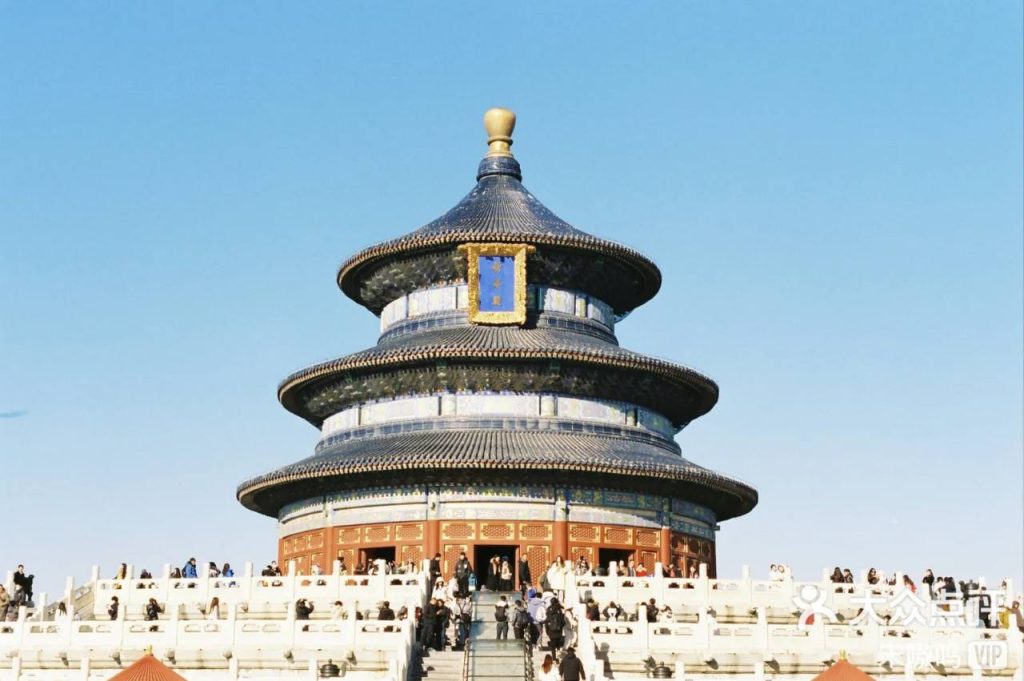
Location: Northern China
As the capital of China and one of the oldest cities in the world, Beijing is a cultural treasure trove. Home to numerous historical sites such as the Forbidden City, the Temple of Heaven, and the Summer Palace, the city is a haven for history enthusiasts. In addition to its imperial landmarks, Beijing is also the heart of Chinese art and performance, with traditional Peking Opera performances and contemporary art galleries like the 798 Art District.
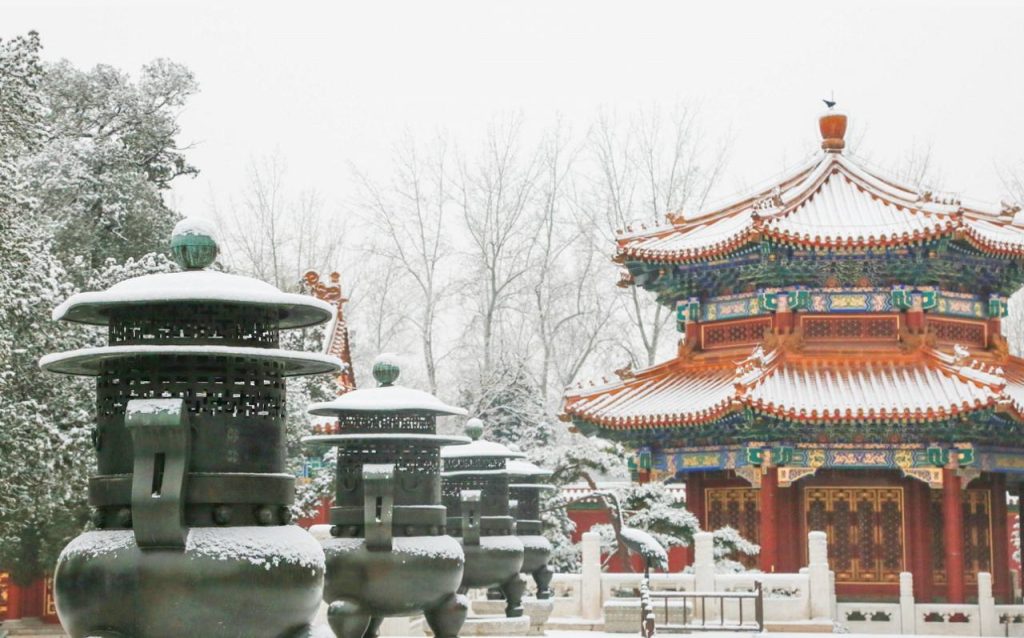
The city’s blend of ancient architecture and modern developments, such as the National Centre for the Performing Arts, provides a fascinating look at China’s dynamic cultural landscape. The city’s food scene also offers a cultural experience, from the famous Peking duck to street food in bustling markets.
Read more:
Xi’an
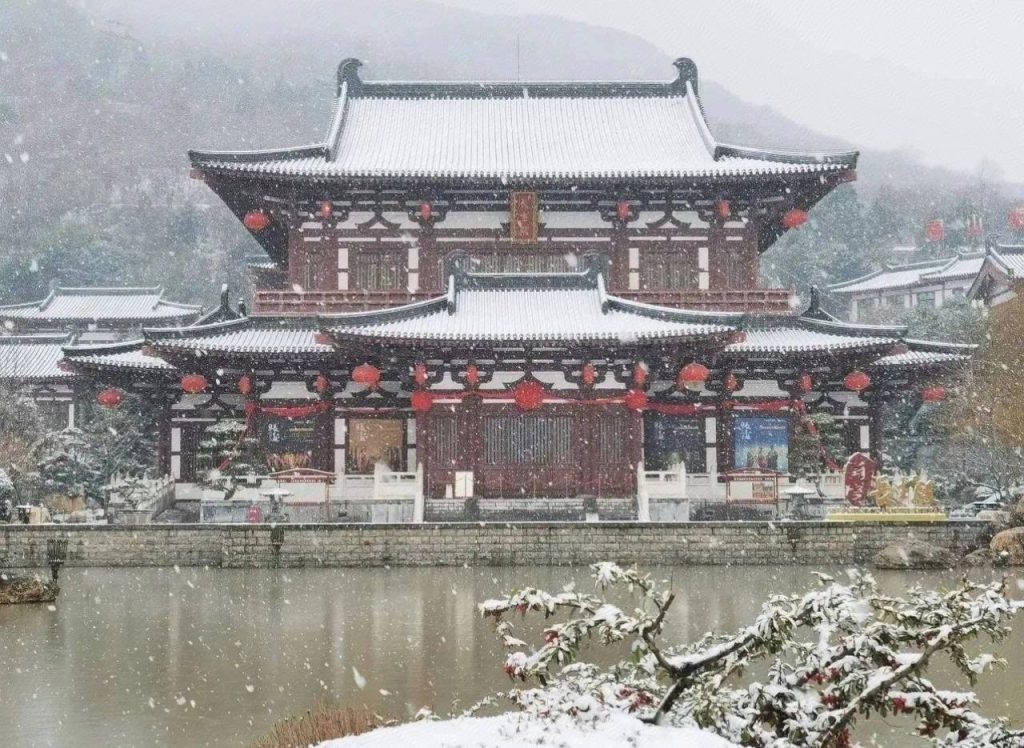
Location: Shaanxi Province, Central China
Known as the cradle of Chinese civilization, Xi’an is one of the most historically significant cities in China. It was the starting point of the Silk Road and the capital of several ancient Chinese dynasties, including the Qin Dynasty. The city is home to the world-renowned Terracotta Army, an extraordinary collection of life-sized statues buried with the first Emperor of China, Qin Shi Huang.
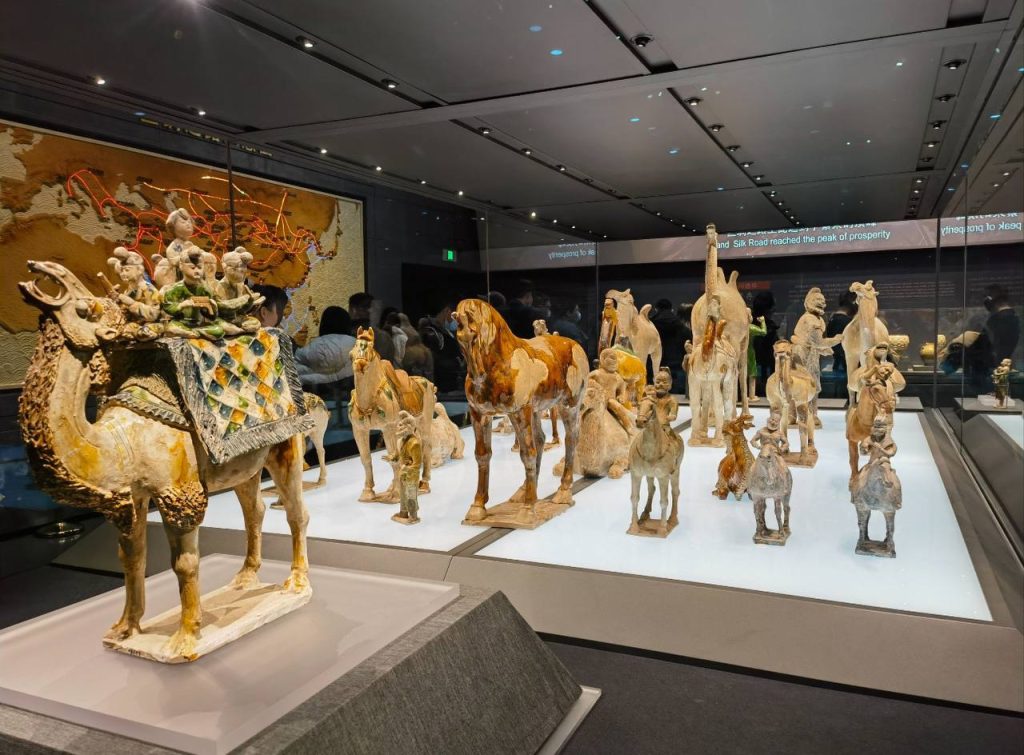
In addition to the Terracotta Warriors, Xi’an boasts impressive ancient city walls, the Big Wild Goose Pagoda, and the ancient Muslim Quarter, where you can explore a fascinating mix of Chinese and Islamic cultures. The city’s rich history and blend of ancient and modern life make it a must-visit for anyone interested in traditional Chinese culture.
Read more:
Lijiang

Location: Yunnan Province, Southwestern China
Lijiang is a charming city in the mountains of Yunnan Province, famous for its well-preserved ancient town, a UNESCO World Heritage site. The city is home to the Naxi people, an ethnic minority with a rich cultural heritage that is reflected in the city’s architecture, music, and traditions.

Visitors can explore the narrow streets and canals of Old Lijiang, with its traditional wooden houses and vibrant local markets. Lijiang is also known for its unique form of music, Naxi Orchestra, which blends traditional Chinese and Tibetan instruments. For a deeper cultural experience, travelers can explore the nearby Tiger Leaping Gorge and the Jade Dragon Snow Mountain, both of which are key cultural and natural landmarks for the Naxi people.
Read more:
Hangzhou
Location: Zhejiang Province, Eastern China
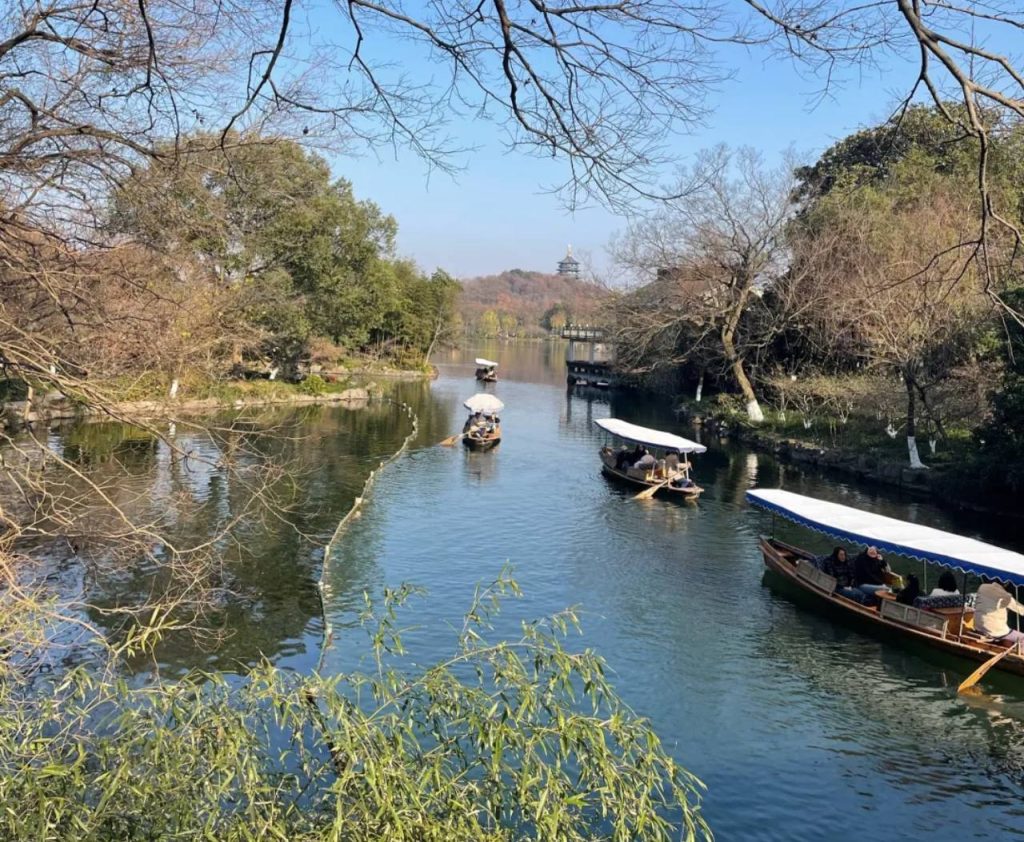
Famous for its beautiful West Lake, Hangzhou has long been a center of Chinese culture, particularly during the Southern Song Dynasty. The city’s serene landscapes, combined with its historical sites, make it a popular destination for those seeking peace and reflection.
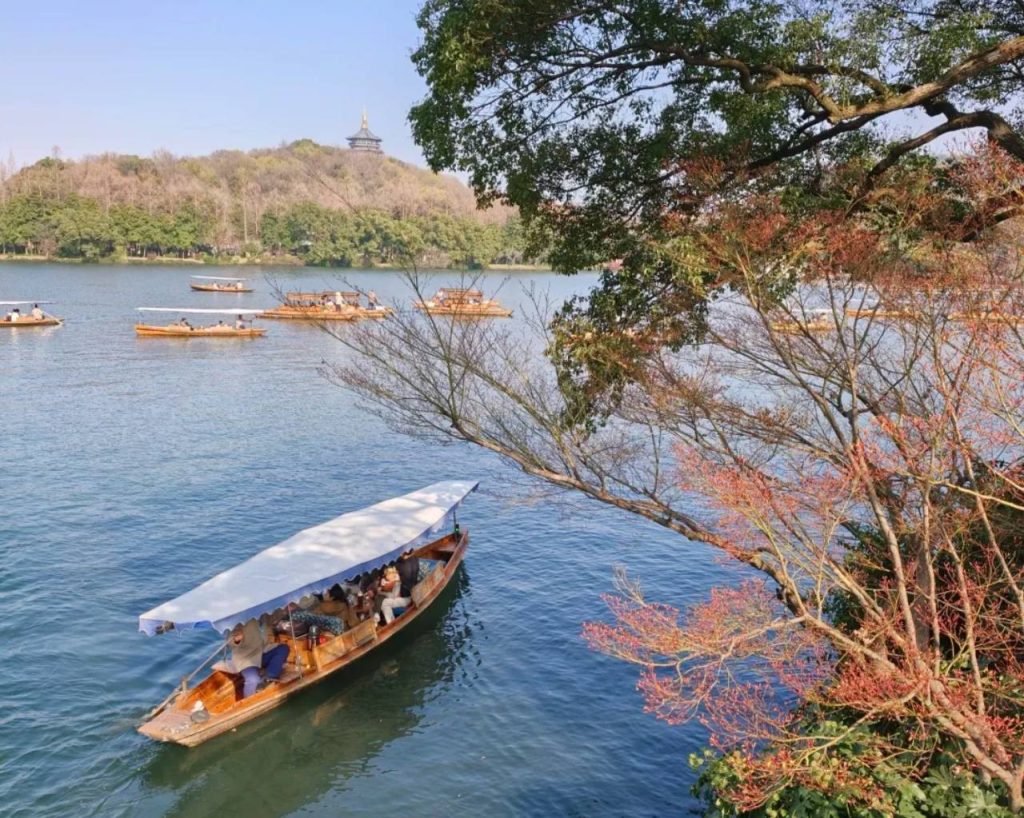
Visitors can explore traditional Chinese gardens, ancient temples, and historic pagodas, such as the Leifeng Pagoda and Lingyin Temple, one of China’s largest and most famous Buddhist temples. Hangzhou is also renowned for its tea culture, particularly Longjing tea, and visitors can visit tea plantations to learn about traditional tea-picking methods and sample freshly brewed tea. The city is a blend of cultural richness, natural beauty, and historical significance.
Suzhou
Location: Jiangsu Province, Eastern China
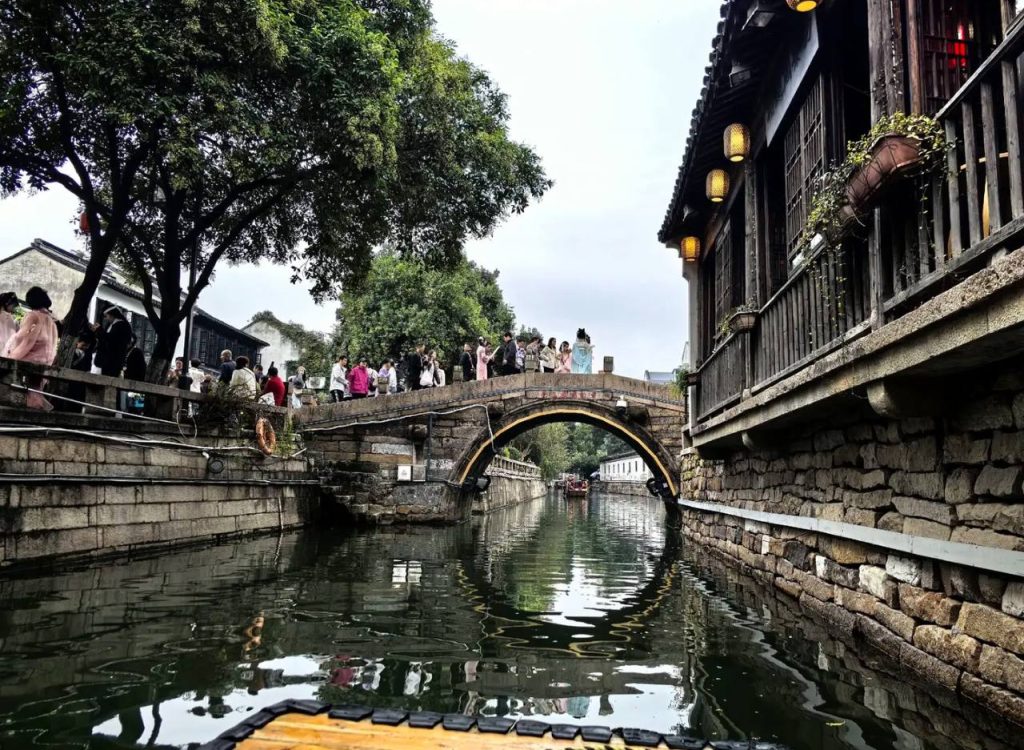
Known as the “Venice of the East,” Suzhou is famous for its classical Chinese gardens, traditional silk production, and ancient water towns. The city’s Classical Gardens of Suzhou, a UNESCO World Heritage site, showcase the elegance and design of traditional Chinese landscaping, featuring beautiful pavilions, intricate rock formations, and peaceful ponds.
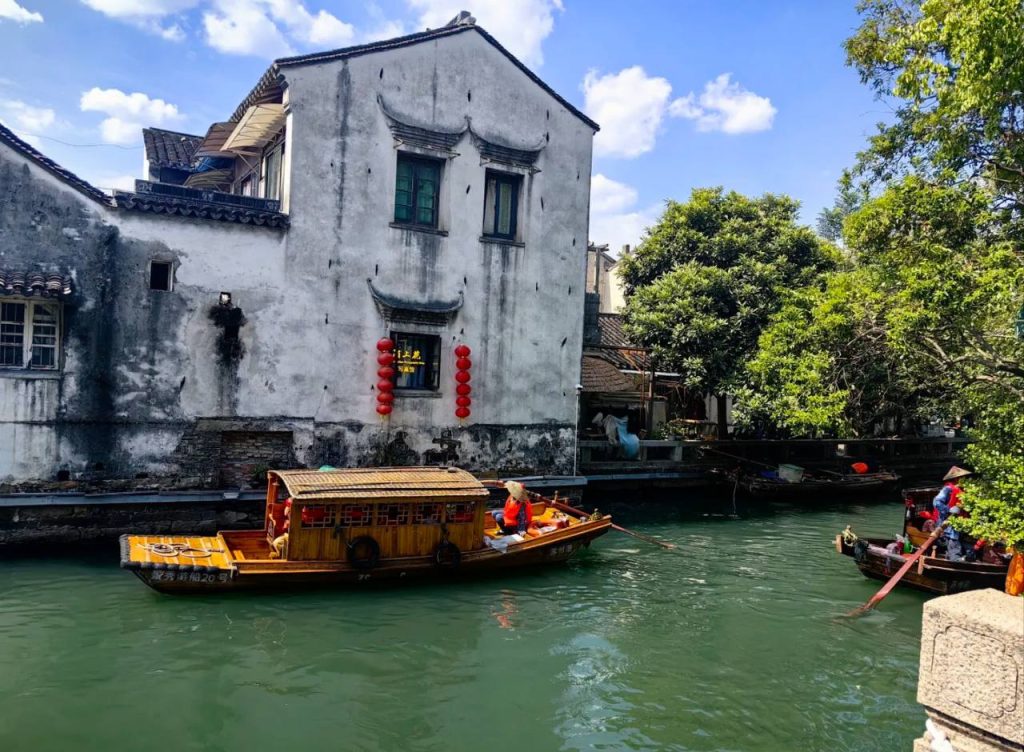
Suzhou is also renowned for its silk culture, and visitors can explore silk factories and museums to learn about the production of this ancient fabric. The city’s well-preserved ancient water towns, such as Tongli and Zhouzhuang, offer an authentic experience of traditional Chinese life, with their narrow canals, stone bridges, and traditional architecture.
Chengdu

Location: Sichuan Province, Southwestern China
Chengdu, the capital of Sichuan Province, is a city famous for its rich cultural heritage and its laid-back lifestyle. Chengdu is the birthplace of Sichuan opera, known for its famous face-changing performances, where performers dramatically change masks to represent different emotions. The city is also the home of the Giant Panda Research Base, where visitors can learn about China’s national treasure, the giant panda, in a natural, conservation-focused environment.

Chengdu is also a culinary hotspot, known for its spicy Sichuan cuisine, including the iconic hotpot. The city’s tea houses, ancient temples like Wuhou Shrine, and the bustling Jinli Ancient Street offer a deep dive into traditional Chinese culture and history.
Read more:
Datong
Location: Shanxi Province, Northern China
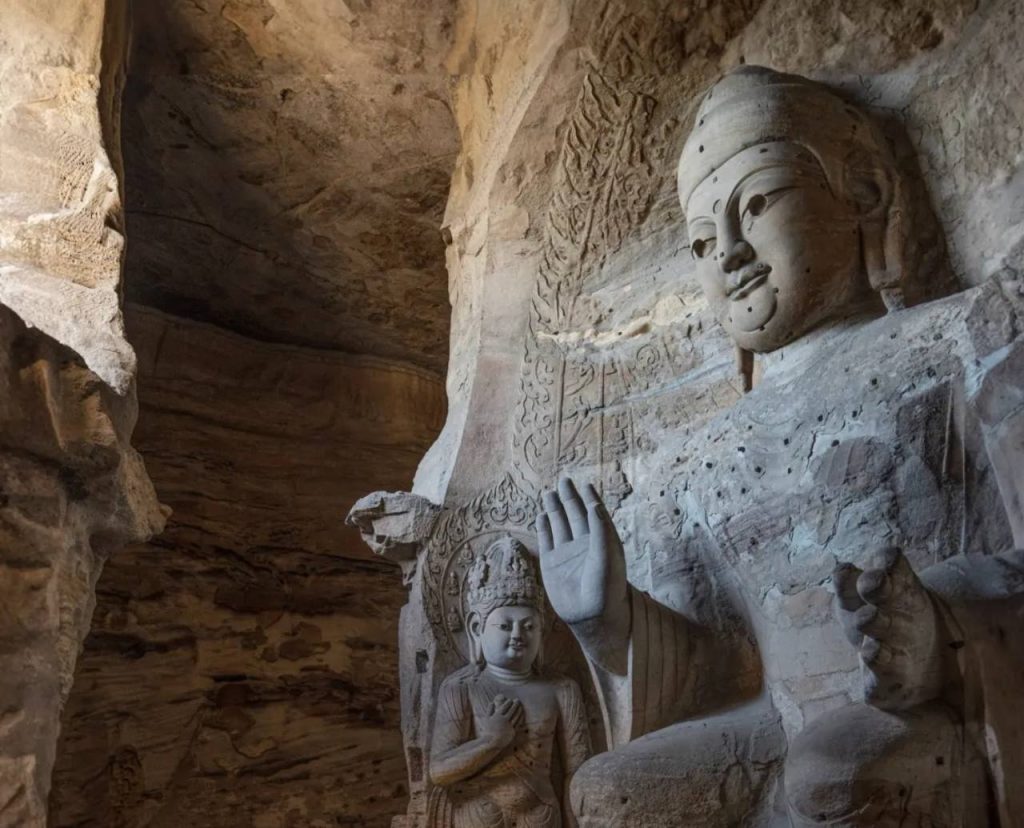
Datong is a hidden gem for history and culture enthusiasts, known for its ancient Buddhist temples, caves, and dramatic landscapes. The Yungang Grottoes, a UNESCO World Heritage site, feature over 50,000 statues and carvings from the 5th and 6th centuries, showcasing the early development of Chinese Buddhist art.
The Huayan Monastery and the Nine-Dragon Wall are also significant cultural landmarks in the city. Datong’s historical significance, particularly as a center of Buddhism, makes it a fascinating city to visit for those interested in China’s spiritual and artistic heritage.
Beihai

Location: Guangxi Province, Southern China
Beihai is a coastal city in Guangxi, known for its historical sites and stunning natural beauty. The Old Town of Beihai offers a glimpse into traditional southern Chinese life with its well-preserved colonial-era architecture, narrow lanes, and bustling markets. One of the city’s most significant cultural sites is Silver Beach, which has a history dating back over a century.
Beihai is also a base for exploring Weizhou Island, where visitors can experience both the natural beauty of the island and the island’s unique blend of Chinese, Western, and ethnic cultures.
Pingyao
Location: Shanxi Province, Northern China
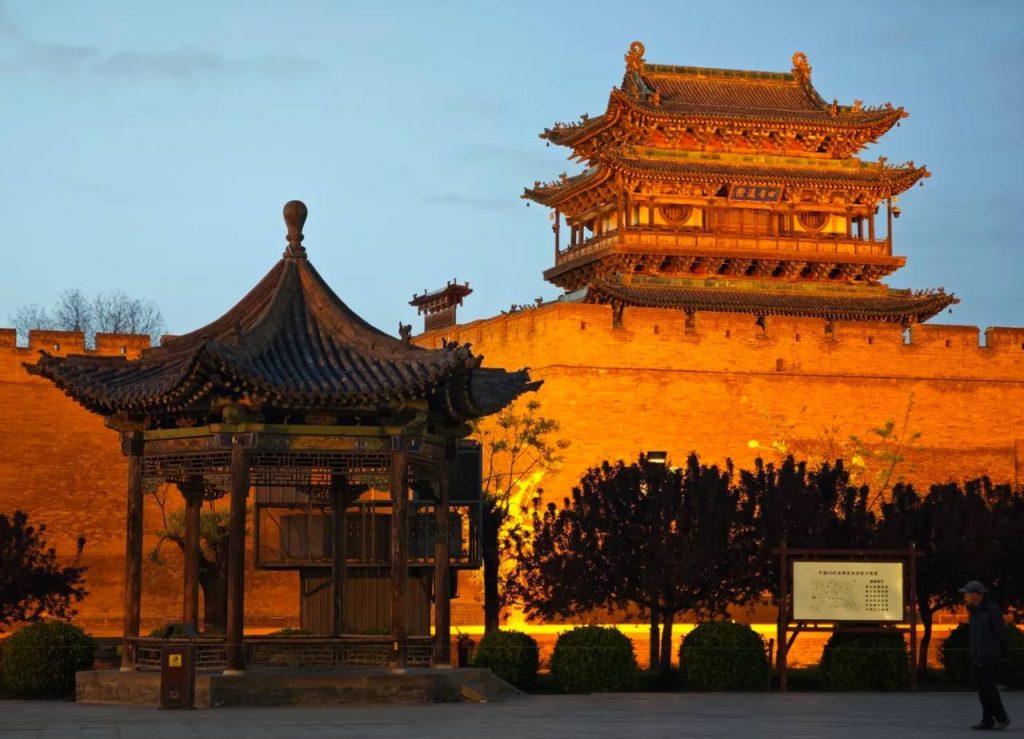
Pingyao is a well-preserved ancient city that offers a rare and authentic glimpse into traditional Chinese life during the Ming and Qing dynasties. The city is surrounded by a well-preserved city wall and is known for its ancient courtyard houses, temples, and ancestral halls.
Walking through Pingyao’s streets feels like stepping back in time, with traditional architecture, local markets, and the chance to explore old merchant shops. Pingyao was an important financial hub during the Qing Dynasty, and its preserved architecture and culture make it a unique and atmospheric city for those seeking a deep cultural experience.
Luoyang
Location: Henan Province, Central China
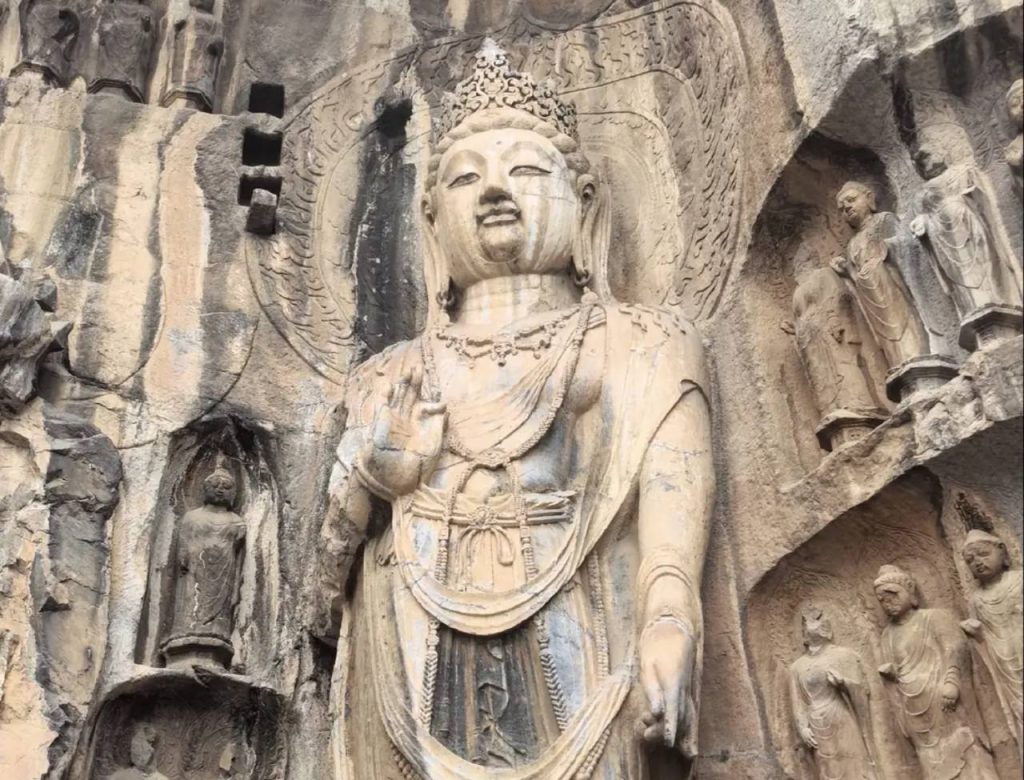
As one of the ancient capitals of China, Luoyang is a city rich in history and cultural landmarks. It was the capital of several dynasties, including the Eastern Zhou, Han, and Tang, and is home to the famous Longmen Grottoes, a UNESCO World Heritage site that contains thousands of Buddhist statues carved into the cliffs.
The city is also known for its White Horse Temple, the first Buddhist temple in China, and its role as a center of Chinese culture and education. Luoyang’s rich history and cultural sites make it a must-visit city for those looking to dive deep into China’s past.

China’s cities are not only bustling metropolises but also rich cultural hubs where ancient traditions blend seamlessly with modern life. From the historical wonders of Beijing and Xi’an to the tranquil beauty of Hangzhou and Suzhou, these cities offer travelers a window into the soul of Chinese culture.
Whether you’re exploring ancient temples, attending traditional performances, or sampling local cuisines, these cities provide an unforgettable cultural experience that captures the essence of China’s diverse heritage.