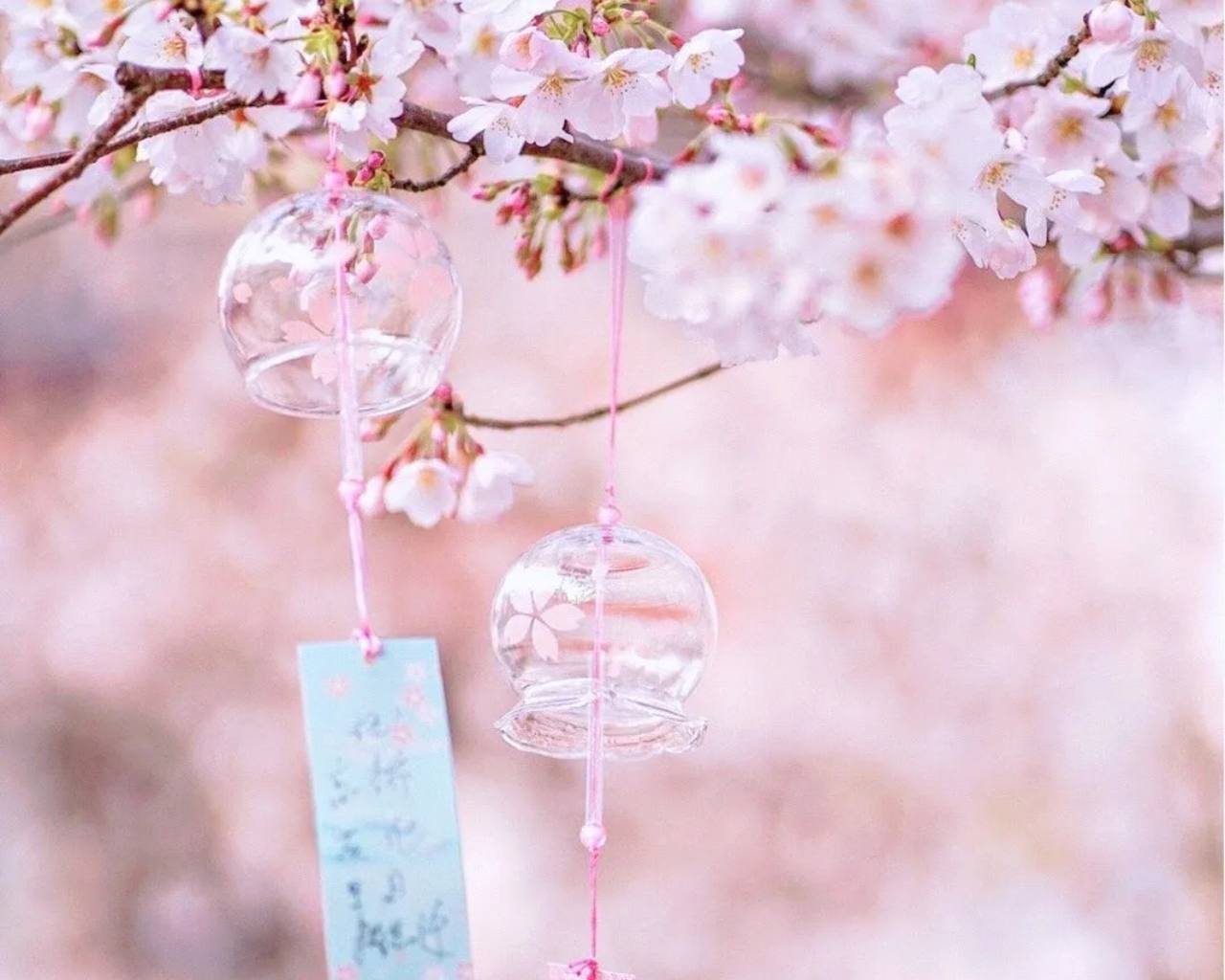
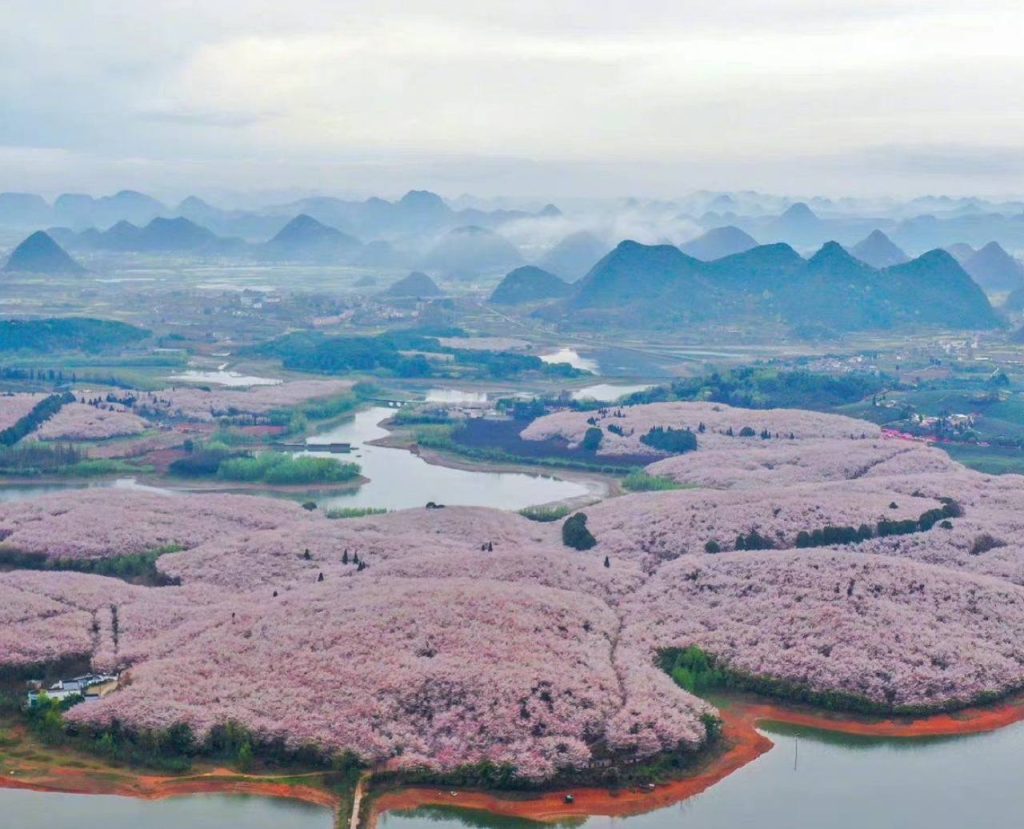
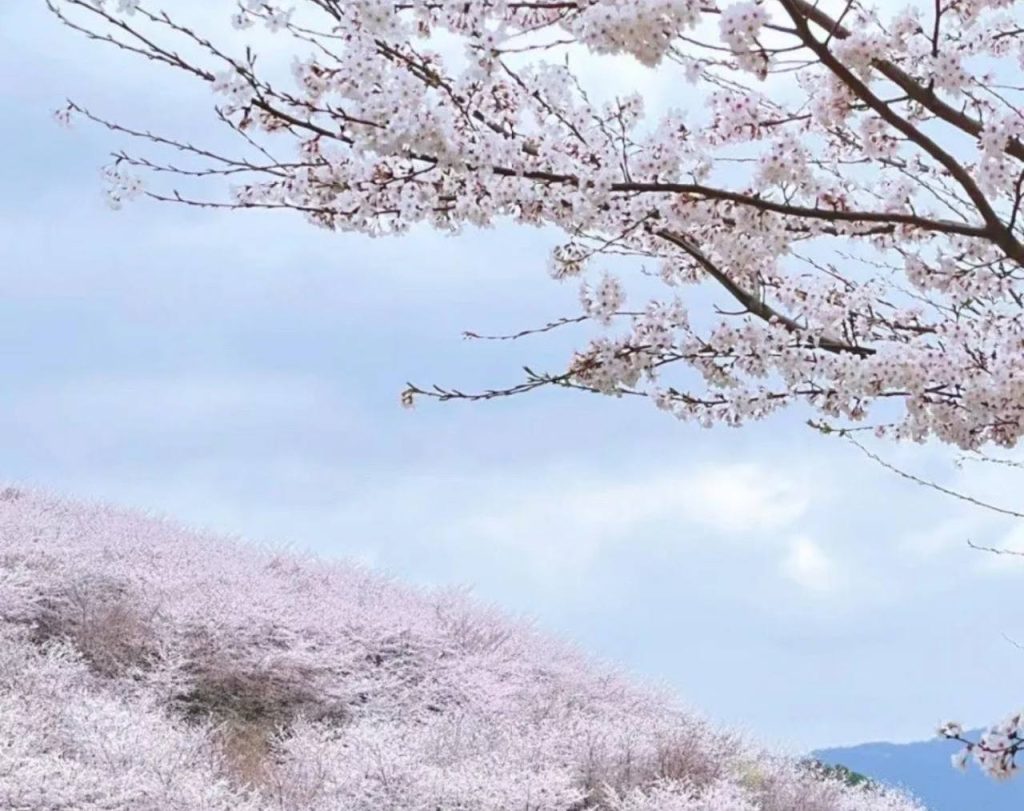
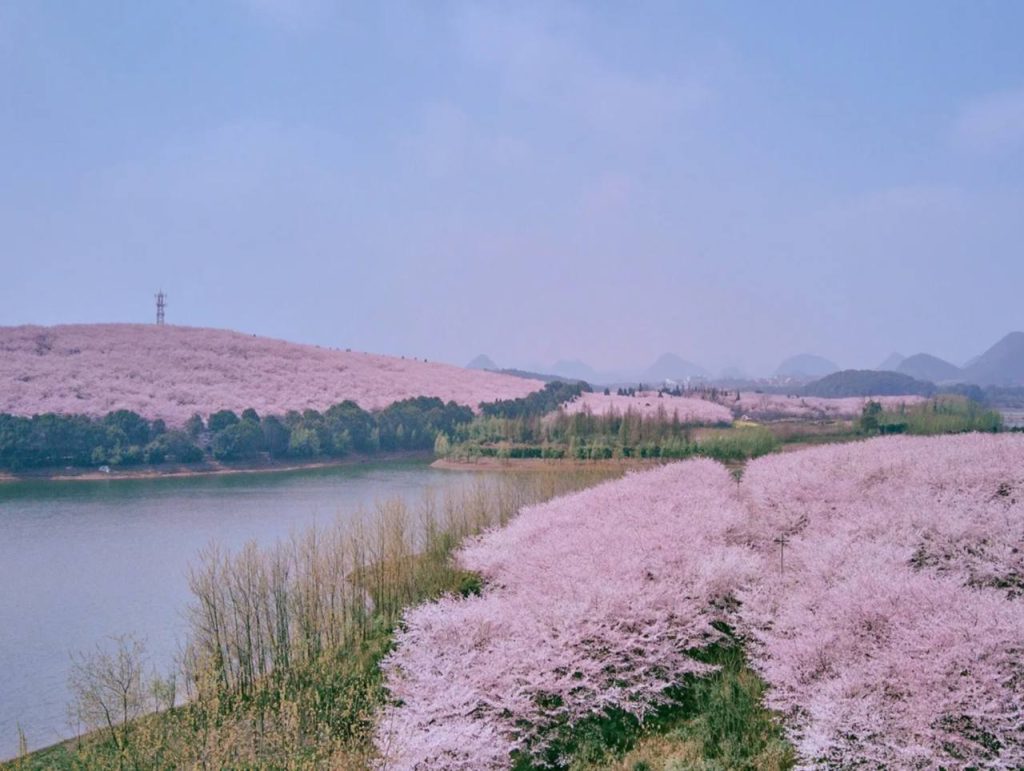
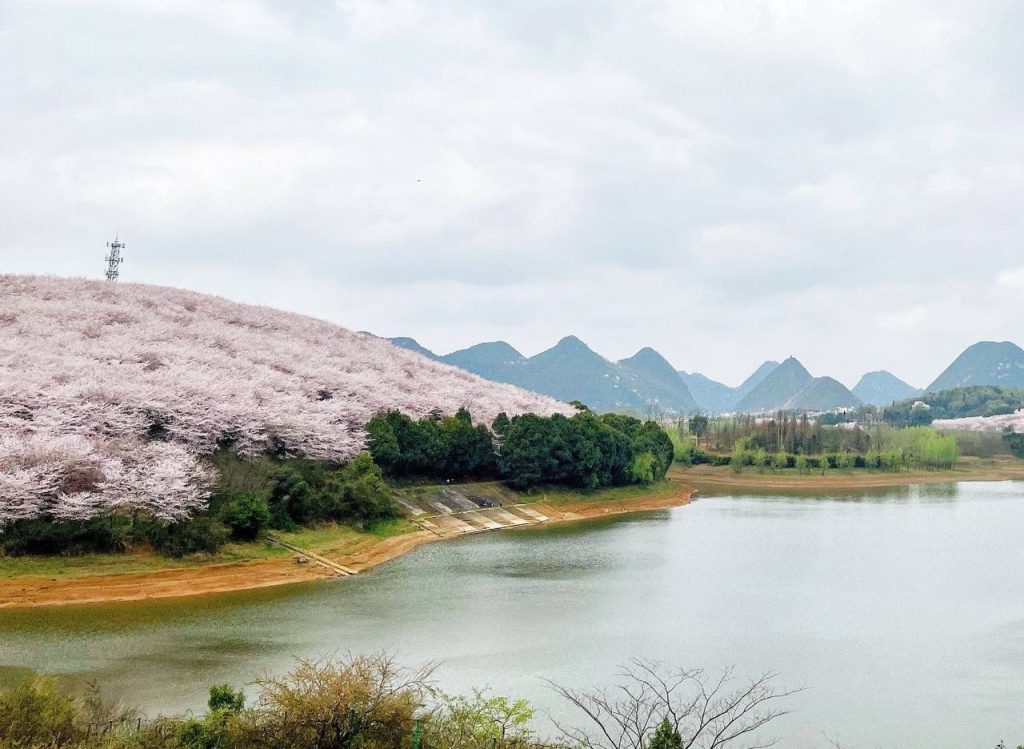
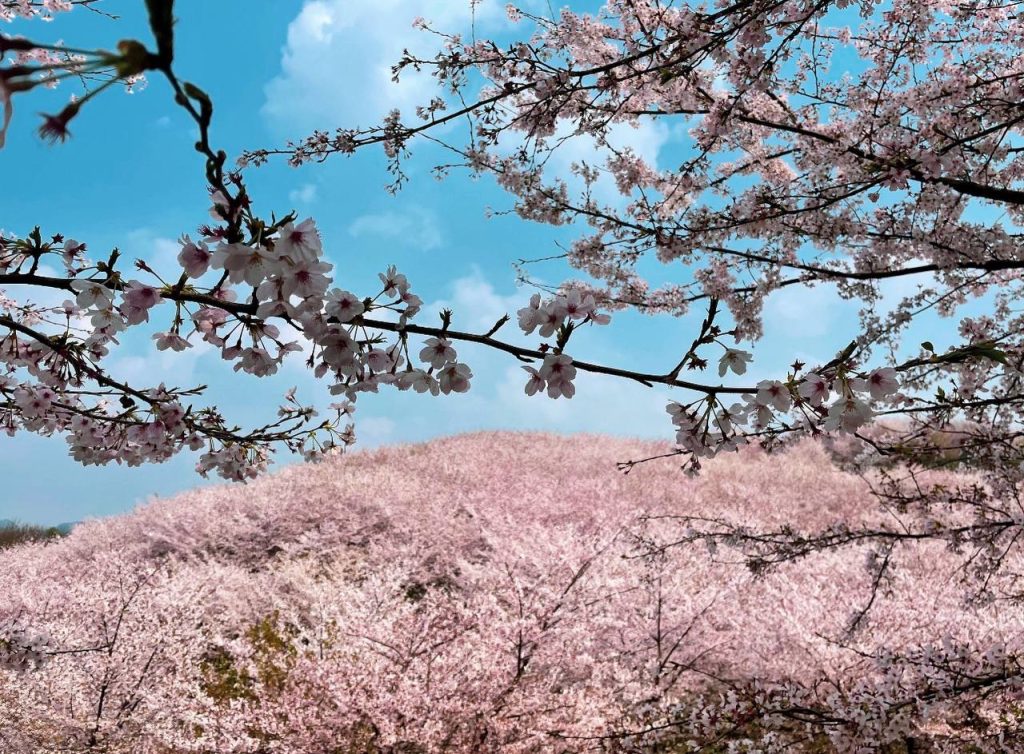
Pingba Cherry Blossom Garden, located in Pingba Farm within Guizhou’s Gui’an New District, is one of the world’s largest cherry blossom gardens, covering over 24,000 acres and featuring more than 700,000 cherry trees.
The garden has gained international recognition, being featured by the BBC for three consecutive years and hailed by foreign media as one of the most beautiful cherry blossom gardens globally.
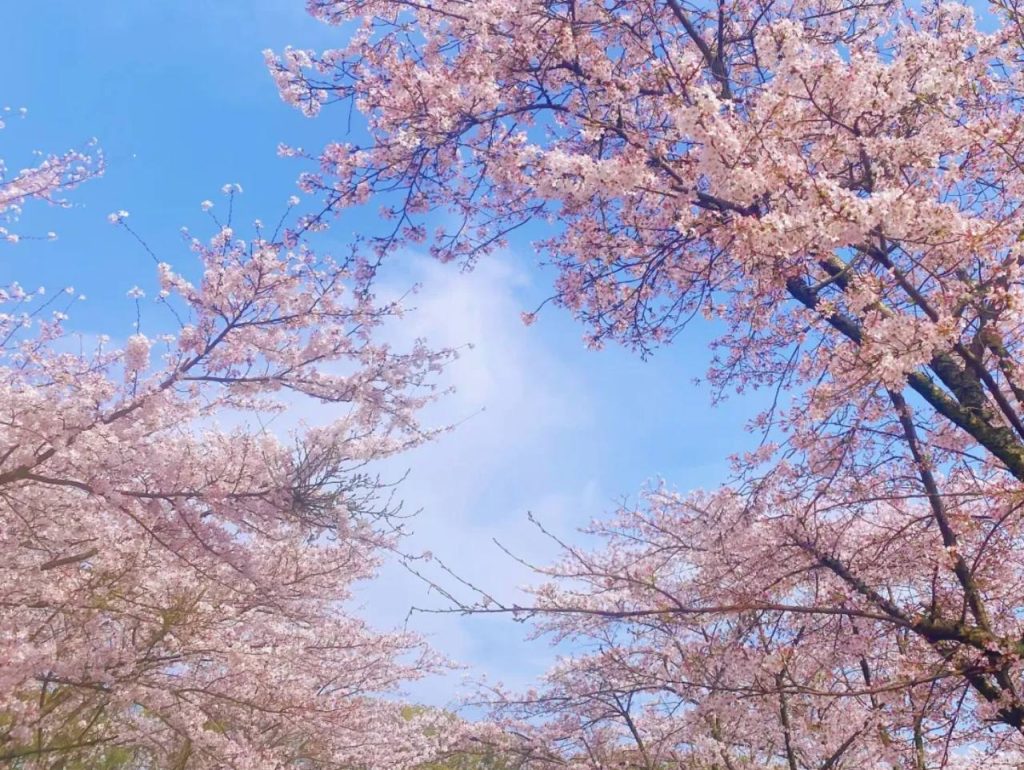
Best Viewing Period: The optimal time to experience the cherry blossoms is from mid-March to early April.
If you want to visit Guizhou only for Cherry Blooming, make sure you go there during the right time! Every year blooming season time may vary, so please, confirm timing with your tour operator or contact you hotel to ask.
- Key viewing areas in Pingba Cherry Blossom Garden:
- Visitor tips:
- How to get to Pingba Cherry Blossom Park in Guizhou, China
- By Air:
- By Train:
- By Bus from Guiyang:
- By Car:
- How to Visit Pingba Cherry Blossom Park
- Opening Hours:
- Entrance Fee:
- Best Time to Visit:
- Why should you visit Pingba farm:
- What you may not like during your visit
- What to the difference between Pingba Cherry and Japanese Sakura?
- Key Differences Between Pingba and Japanese Cherry Blossoms
- Why does Pingba look like Japan’s Cherry Blossom Parks?
- What Makes Pingba Special?
Key viewing areas in Pingba Cherry Blossom Garden:
- Flower Rain Island: A picturesque area where cherry blossoms create a mesmerizing floral landscape.
- Manying Garden: Known for its dense cherry blossom clusters, offering a sea of pink and white blooms.
- Xunying Valley: A serene valley adorned with cherry trees, providing tranquil viewing spots.
- Cherry Blossom Plaza: A central area ideal for gatherings and larger events amidst the blossoms.
Visitor tips:
- Additional Attractions: After viewing the cherry blossoms, consider visiting Hongfeng Lake, one of Guizhou’s largest lakes, suitable for outdoor camping.
- On-Site Transportation: The garden offers shuttle services and bicycle rentals for easier navigation.
- Photography: Wearing traditional attire such as Hanfu, cheongsam, or light-colored clothing can enhance photo opportunities.
- Timing: Allocate sufficient time for your visit and consider scheduling on weekdays to avoid weekend crowds.

- Aerial Tours: This year, helicopter tours are available, offering a unique aerial perspective of the expansive cherry blossom landscape.
- Take your food with you: in the park not so many meal options, better to prepare some snacks or meal with yourself.
- There are not many toilets in the park, toilets are not very clean and not convenient. Women toilet can be very crowded, better to bring your own toilet paper, wet tissues, etc.
Pingba Cherry Blossom Garden offers a breathtaking and immersive experience, making it a must-visit destination for nature enthusiasts and photographers alike.

How to get to Pingba Cherry Blossom Park in Guizhou, China
By Air:
- Nearest Airport: Guiyang Longdongbao International Airport (KWE)
- From the airport, take a taxi (about 1.5 hours) or use public transportation to reach Pingba.
By Train:
- Nearest High-Speed Railway Stations:
- Guiyang North Railway Station
- Anshun West Railway Station
- From Guiyang North, take Metro Line 1 to Guiyang North Station (Exit A) and continue by bus.
- From Anshun West, take a taxi or local bus to Pingba.
By Bus from Guiyang:
- Take Bus 701 from Guiyang North Station (South) to Gui’an Management Committee.
- Transfer to Gui’an Bus 7 and get off at Pingba Farm Road Exit.
- Walk about 5 minutes to the entrance of the cherry blossom park.
By Car:
- From Guiyang: Take the G60 Expressway and exit at Pingba Farm.
- Parking is available near the park, with a fee of around 20 RMB per day.
The best way to visit Pingba Farm is joining the tour from Guiyang or booking your private tour. It will save your time and nerves, since the park is very far from the city and visiting spots are limited!
How to Visit Pingba Cherry Blossom Park
Opening Hours:
- 8:00 AM – 6:00 PM (daily)
Entrance Fee:
- Free, but visitors need to make a reservation through the “One Code Tour Guizhou” system.
Best Time to Visit:
- Mid-March to Early April (peak cherry blossom season)
Pingba Cherry Blossom Park is definitely worth visiting, especially if you love nature, flowers, and scenic photography.
Why should you visit Pingba farm:
One of the World’s Largest Cherry Blossom Parks – With 700,000+ cherry trees spread over 24,000 acres, it’s a breathtaking sight, often compared to Japan’s famous cherry blossom spots.
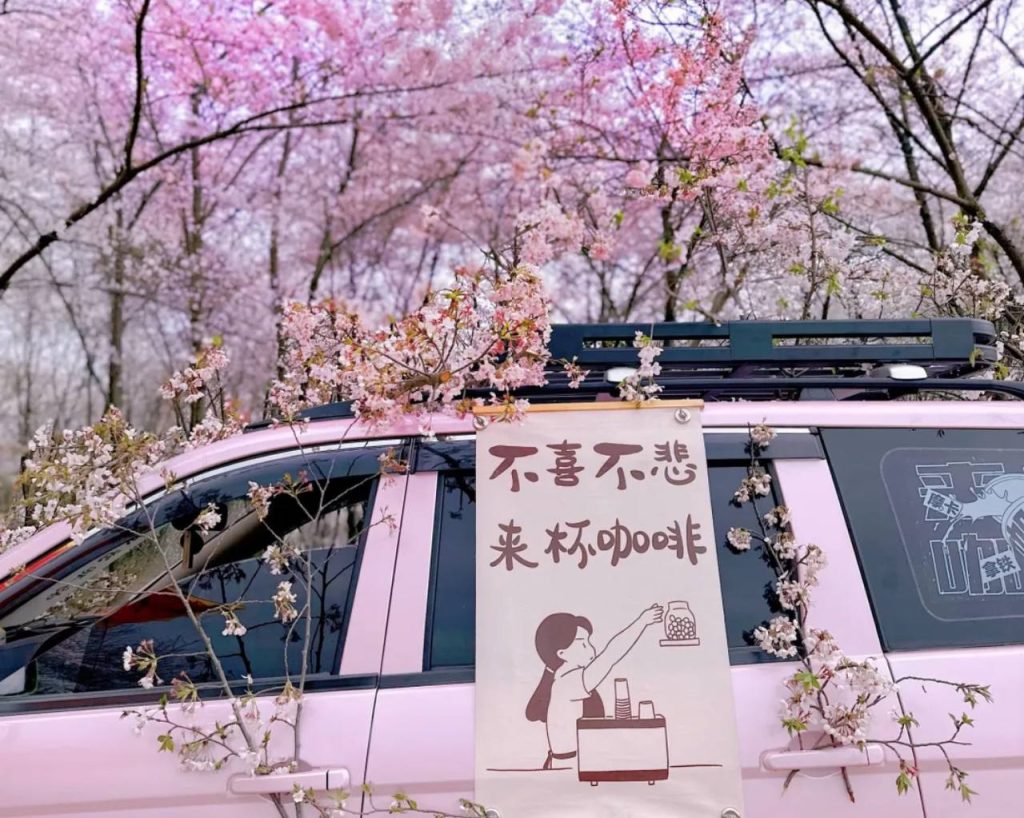
Incredible Photography Opportunities – The vast pink and white landscapes are stunning, especially in the early morning or golden hour. It’s also a great place to wear Hanfu (traditional Chinese clothing) for cultural-themed photos.
Free Entry – Unlike many other famous cherry blossom parks, you don’t have to pay for a ticket (only need to reserve online).
Nearby Attractions – If you have time, Hongfeng Lake is close by, offering a peaceful retreat with boating and picnicking options.
Unique Aerial Views – You can take a helicopter tour for a bird’s-eye view of the blooming fields, which is rare in other cherry blossom locations. Also there are air balloons ride available, but depends oh weather, please, confirm with your tour operator.

What you may not like during your visit
Can Be Crowded – As one of China’s most famous cherry blossom destinations, expect large crowds, especially on weekends. Go on a weekday if possible.
Short Blooming Season – Cherry blossoms only last about 2–3 weeks (usually mid-March to early April), so timing your visit is important.
A Bit Far from Major Cities – While it’s not hard to reach, it does require a 1.5-hour journey from Guiyang, which might not be convenient for short trips.

What to the difference between Pingba Cherry and Japanese Sakura?
The cherry blossoms in Pingba Cherry Blossom Park are mainly Chinese cherry trees (Prunus campanulata), also known as Taiwan cherry or bellflower cherry. These trees are slightly different from the famous Somei Yoshino (Prunus × yedoensis) cherry blossoms found in Japan.
Key Differences Between Pingba and Japanese Cherry Blossoms
| Feature | Pingba Cherry Blossom (China) | Somei Yoshino Cherry (Japan) |
|---|---|---|
| Scientific Name | Prunus campanulata (Taiwan cherry) | Prunus × yedoensis |
| Color | Bright pink to deep pink | Pale pink to almost white |
| Leaf Growth | Flowers & leaves bloom at the same time | Flowers bloom first, then leaves appear later |
| Blooming Time | Mid-March to early April (earlier in warm years) | Late March to early April |
| Origin | Native to China, Taiwan, and Southeast Asia | Hybrid variety developed in Japan |
Why does Pingba look like Japan’s Cherry Blossom Parks?

Although Pingba mainly has Chinese cherry blossoms, some Japanese varieties (like Somei Yoshino and Kawazu cherry) have also been planted there over the years.
This mix of species creates a stunning pink landscape similar to what you’d see in Japan, but the colors are generally more vivid and deep pink rather than the soft pastels of Somei Yoshino.

What Makes Pingba Special?
Unlike Japan, where cherry blossoms are planted along streets and rivers, Pingba is a vast cherry orchard that was originally developed for fruit production. Over time, it became a famous tourist attraction because of its spectacular blooms covering entire hillsides.